When you consider a multi-fuel stove, you might be drawn to its versatility, but it's crucial to weigh the disadvantages that come with it. For instance, you'll face higher upfront costs and more frequent maintenance due to its complex systems. Plus, the potential health risks from harmful emissions could be a significant concern for you and your family. As you think about your options, you may also want to reflect on how these stoves impact the environment. What other factors should you consider before making a decision?
Maintenance Requirements
When it comes to maintaining a multi-fuel stove, adhering to a structured maintenance schedule is vital for safety and efficiency. You need to establish a cleaning frequency that suits your usage habits. Regular daily or weekly cleaning of ashes and soot prevents build-up, guaranteeing peak operation. Seasonal deep cleaning at the start and end of the heating season is also important for removing ash and debris while allowing for a thorough component inspection for wear.
Don't overlook the significance of annual maintenance performed by a qualified professional. This guarantees that any potential issues are identified early, enhancing safety. Regular sweeping of the chimney is necessary, at least once a year, but you may need to increase the frequency based on your fuel type and usage. During your maintenance routine, pay attention to air vent maintenance and flue system cleaning to guarantee unobstructed airflow. Additionally, regular cleaning helps prevent ash, soot, and creosote build-up, which can significantly improve overall stove performance.
Component inspection should include checking seals and gaskets for damage, as worn components can lead to inefficient combustion and safety hazards.
Efficiency and Performance
Multi-fuel stoves offer versatility in fuel usage, but their efficiency and performance can vary considerably based on the type of fuel burned. Not all fuel types burn with equal efficiency; some leave more residues, directly impacting heat output. This variability can lead to increased fuel consumption and higher operational costs. Additionally, the use of sustainable fuels can enhance both performance and environmental benefits.
Certain fuels may require more frequent cleaning and maintenance, as seen with coal, which produces more ash compared to wood.
While multi-fuel stoves have adjustable air controls to optimize burn rates, the design mightn't fully support efficient wood burning. The slotted grate can allow wood ash to fall through prematurely, hindering re-burning and consequently, reducing overall efficiency.
Although modern multi-fuel stoves can achieve efficiencies over 80%, these ratings often reflect combustion efficiency rather than the heat delivered to your home. Additionally, the flexibility in fuel choice can lead to varying combustion characteristics, impacting overall heating efficiency.
In comparison to dedicated wood-burning stoves, multi-fuel options can be more efficient due to their adaptability to different fuels. However, you must consider that the efficiency of your stove largely hinges on the fuel used, making the choice of fuel critical for maximizing performance and minimizing emissions.
Health and Safety Concerns
A significant concern with multi-fuel stoves revolves around the health and safety risks they pose. The use of these stoves often results in the release of particulate matter (PM) such as PM2.5 and PM0.1, which can infiltrate your lungs and bloodstream, leading to serious health risks. Research links exposure to these particles with conditions like heart disease, lung disease, and even diabetes. Additionally, wood burning stoves can emit greenhouse gases, contributing to overall air quality deterioration.
Indoor pollution levels can spike dramatically—up to 400% higher—when a wood-burning stove is in operation, especially during refueling. This can exceed WHO air quality standards, heightening risks for vulnerable groups like children and older adults. Notably, recent research highlights the overlooked health effects of wood smoke.
In addition to health risks, multi-fuel stoves also present safety hazards. Improper installation or misuse can trigger fires, underscoring the importance of correct installation and maintenance.
It's critical to maintain proper clearance from combustible materials and to burn only dry, seasoned wood. Regular chimney inspections are essential to prevent chimney fires and toxic gas backflow.
Being prepared for emergencies like chimney fires further emphasizes the need for diligence when using these stoves to guarantee a safer environment. Regular maintenance can significantly reduce health and fire hazards associated with wood burning stoves.
Financial Considerations
Given the health and safety risks associated with multi-fuel stoves, it's crucial to evaluate their financial implications as well. The initial costs of a multi-fuel stove are typically higher than those of single-fuel options. This includes not just the purchase price, but also installation expenses, which may require modifications like a new flue system and proper ventilation.
These complexities contribute to a significant cost comparison.
Ongoing operational costs complicate matters further. Fuel prices fluctuate due to market conditions, and you might find yourself juggling various fuel types—each with its own price point. For instance, smokeless fuel can range from £16 to £20 per 25kg bag.
This fuel variability means you must stay informed about current rates, adding to your operational burden. Additionally, using appropriate fuels for optimal efficiency can help mitigate some of these costs, but requires careful planning.
Regular maintenance is another financial consideration. You'll face costs for annual chimney sweeping and stove servicing, which can total around £125 annually.
The complexity of the stove's mechanisms can lead to more frequent, costly repairs, increasing long-term expenses.
Environmental Impact
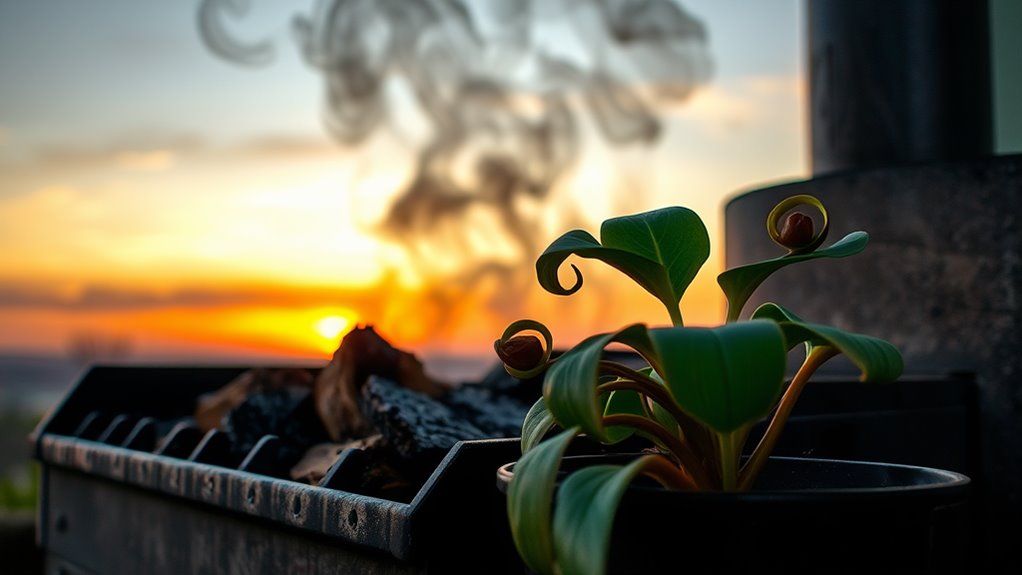
The environmental impact of multi-fuel stoves is significant and multifaceted, affecting both air quality and climate change. When you burn wood or coal in these stoves, you're contributing to elevated emission levels of greenhouse gases like CO2 and NO. Furthermore, these fuels release PM2.5, a harmful particulate matter that exacerbates air pollution and poses serious health risks, including asthma and bronchitis.
Different fuel types yield varying emissions; for instance, wood and coal produce higher carbon footprints compared to cleaner alternatives like natural gas. This discrepancy becomes crucial when you consider that household cookstoves account for about 25% of anthropogenic black carbon emissions, further intensifying global warming.
The increase in domestic wood burning emissions by 124% in the UK from 2011 to 2021 highlights the urgency of addressing this issue. Responsible fuel sourcing and efficient stove operation are essential to mitigate these impacts. Additionally, modern Ecodesign-compliant stoves can significantly reduce clean air particulate emissions, which is vital for improving overall air quality.
If you opt for more sustainable fuels, like wood pellets derived from waste, you can reduce your environmental footprint. Ultimately, understanding the implications of your fuel choices and stove efficiency is critical for promoting environmental responsibility.
Frequently Asked Questions
Can Multi-Fuel Stoves Use Any Type of Fuel Interchangeably?
Multi-fuel stoves can't use any fuel interchangeably due to fuel compatibility issues. Efficiency concerns arise from varying combustion conditions needed for different fuels, leading to reduced performance and increased maintenance when improper fuels are burned.
How Does a Multi-Fuel Stove Compare to a Fireplace?
Ever wonder how a multi-fuel stove stacks up against a fireplace? In an efficiency comparison, multi-fuel stoves often outperform fireplaces, offering greater heating capacity and versatility, while also requiring regular maintenance for peak performance.
Are Multi-Fuel Stoves Suitable for All Home Sizes?
Multi-fuel stoves aren't universally suitable for all home sizes. You must consider space requirements and multi-fuel efficiency. Adequate clearance and hearth space are essential to guarantee peak performance and safe operation in your home.
What Are the Best Practices for Fuel Storage?
You might think fuel storage is simple, but it's essential. Prioritize fuel safety by maintaining clearance, using appropriate containers, and guaranteeing ventilation. Implement effective storage solutions to prevent hazards and secure ideal fuel conditions.
How Do I Choose the Right Multi-Fuel Stove for My Needs?
To choose the right multi-fuel stove, assess your room size for ideal fuel efficiency, and carefully evaluate installation considerations, including chimney compatibility and professional installation, ensuring safety and long-term performance tailored to your heating needs.
Conclusion
To conclude, while multi-fuel stoves offer versatility, you need to weigh the potential downsides carefully. The higher costs, frequent maintenance, and serious health risks can greatly outweigh the benefits. As you consider your options, think about the environmental implications too. What you might save in fuel flexibility could cost you in air quality and health. So, before making a decision, ask yourself: is the trade-off truly worth it? The answer might surprise you.

Multi fuel stoves are an upcoming trend and the main reason as to why people are switching over to them Read more

As their name suggests, multi fuel stoves allow owners to burn a variety of fuels. They allow the use of Read more

A wood burning stove or multi-fuel stove can be part of a central heating system to keep your house warm Read more