
Multi-fuel stoves are a versatile home heating option for you, allowing the burning of various fuels, including wood, coal, and biomass, which can lead to significant cost savings and greater fuel availability. They’re highly efficient, often achieving over 80% efficiency, which optimizes heat output and reduces waste. However, they do require frequent maintenance and have variable performance depending on the fuel used, which could lead to increased long-term costs and time commitment. Additionally, by using renewable fuels like wood pellets, you’re supporting sustainability efforts. Understanding the full scope of pros and cons will reveal whether they align with your home heating goals.
Understanding Multi-fuel Stoves
Multi-fuel stoves allow you to burn various types of fuel, including wood, coal, and pellets, offering flexibility and efficiency in heating. These stoves are designed to enhance the use of different fuel types by featuring adjustable air controls, which let you manage the burn rate and temperature according to the specific fuel being used. This adaptability is vital because each fuel type has distinct properties and energy outputs that affect combustion and overall efficiency.
When selecting a multi-fuel stove, it’s important to take into account the efficiency ratings of the model with respect to the different fuels. Efficiency ratings are indicative of how well a stove converts fuel into heat, and higher ratings mean more warmth from less fuel, resulting in lower running costs and reduced emissions. Typically, these ratings are expressed as a percentage, and modern high-quality models can achieve efficiencies of over 80%, depending on the fuel used.
Moreover, the choice of fuel can impact the stove’s performance and maintenance needs. For example, burning coal often requires more frequent cleaning due to ash and clinker formation, whereas wood leaves behind less residue. Understanding these nuances helps you enhance the benefits of your stove’s multi-fuel capabilities.
Benefits of Multi-fuel Stoves

Understanding the differences in fuel requirements and maintenance for multi-fuel stoves highlights the significant benefits they offer, such as versatility and cost-effectiveness. When you explore deeper into these advantages, you’ll find that the utility of multi-fuel stoves extends well beyond mere heating capabilities.
- Fuel Versatility: One of the primary advantages of multi-fuel stoves is their ability to operate on a variety of fuels, including wood, coal, peat, and sometimes even biomass options. This versatility means you’re not reliant on a single source of fuel, which can be particularly beneficial in fluctuating market conditions where fuel prices vary. You can switch fuels based on availability and cost.
- Efficiency Ratings: Multi-fuel stoves are designed with efficiency in mind. Modern models boast high efficiency ratings, often exceeding 75%. This means that they convert a greater proportion of their fuel into heat, reducing wastage and ensuring maximum value from the fuel consumed.
- Cost-Effectiveness: Due to their high efficiency ratings and the ability to use less expensive or locally sourced fuels, multi-fuel stoves can lead to significant savings in long-term heating costs. By enhancing fuel usage and reducing losses, these stoves offer an economically sound choice for sustained use.
In essence, the combination of fuel flexibility and high efficiency makes multi-fuel stoves an astute choice for both economic and practical reasons.

Drawbacks of Multi-fuel Stoves
While multi-fuel stoves offer notable advantages, they also come with several drawbacks that you should consider. Among these, fuel efficiency and maintenance requirements stand out as significant concerns.
Multi-fuel stoves, while versatile, often don’t burn all types of fuel with equal efficiency. Some fuels may leave more residues than others, affecting the overall efficiency and heat output of the stove. This variability can lead to increased fuel consumption and, consequently, higher operational costs.
Moreover, the maintenance requirements for these stoves are typically more demanding compared to single-fuel stoves. The ability to burn various fuels necessitates a design that can handle different combustion temperatures and byproducts, such as ash and soot. These byproducts can accumulate and necessitate frequent cleaning to maintain ideal performance and safety.
The complexity of the internal mechanisms, which are adapted to accommodate multiple fuel types, also means that potential repairs and part replacements can be both more frequent and more costly.
You’ll find that the need for regular maintenance not only adds to the overall cost of using a multi-fuel stove but also demands a considerable amount of your time. This aspect is vital to weigh if you’re considering a multi-fuel stove for its versatility.
Cost Analysis

Examining the initial purchase and ongoing operational costs reveals that owning a multi-fuel stove can be more expensive than you might anticipate. The complexity of installation and variability of fuel prices contribute considerably to the overall financial burden. Here’s a breakdown to help you understand the costs involved:
- Initial Purchase and Installation: The upfront cost of a multi-fuel stove includes not only the price of the stove itself but also the installation expenses. Installation often involves considerable modifications to your home, such as creating a suitable flue system and ensuring proper ventilation, which can be costly.
- Fuel Prices: Multi-fuel stoves offer the flexibility to use various fuels, but the prices for these can fluctuate widely depending on market conditions and availability. You’ll need to stay informed about the current rates for wood, coal, pellets, or any other fuels your stove can handle.
- Maintenance and Repairs: Regular maintenance is essential for ensuring the efficiency and safety of your multi-fuel stove. This includes cleaning the flue, replacing parts like seals and grates, and occasionally, more extensive repairs that can add to the cost.
Environmental Considerations
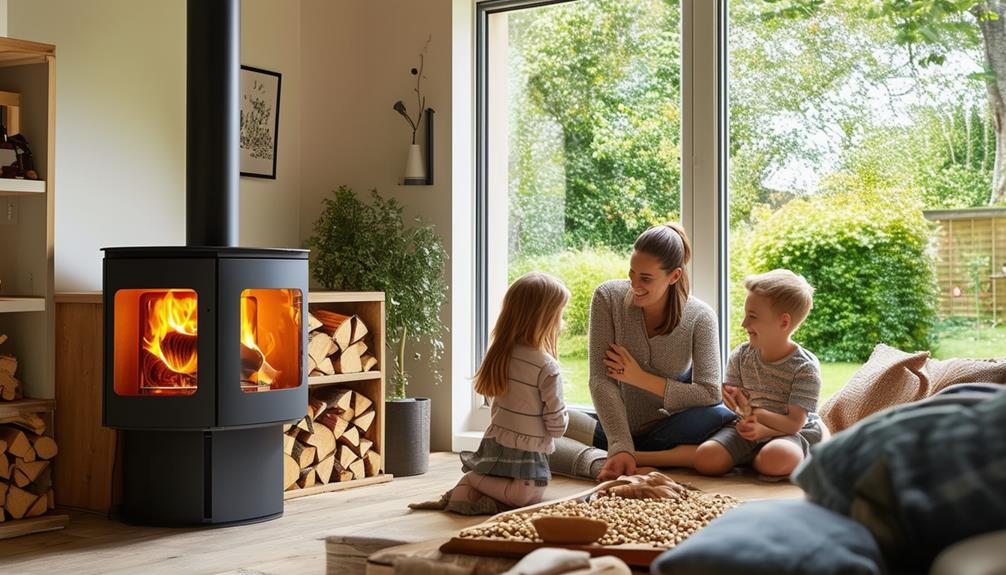
Multi-fuel stoves impact the environment in various ways, from emissions to the sourcing of fuels. You must consider both the type of fuel you’re using and the stove’s efficiency.
Burning wood, for instance, typically involves lower emission levels than coal, but the sustainability hinges on whether the wood comes from responsibly managed forests. If you choose to use renewable resources like wood pellets, you’re leaning towards a more sustainable option, as these pellets often come from waste wood materials.
It’s essential to understand that the efficiency of your multi-fuel stove plays a significant role in reducing environmental impact. A higher efficiency rating means more complete combustion of fuel, which reduces emissions. However, no matter the efficiency, burning solid fuels invariably releases particulates and carbon dioxide into the atmosphere, contributing to air pollution and potentially affecting climate change.
To mitigate these impacts, you should opt for stoves that meet strict emission standards and consider supplementing your heating with other renewable energy sources when possible. Regular maintenance and proper operation are also key to keeping the emission levels at bay.
Comparisons With Other Heaters
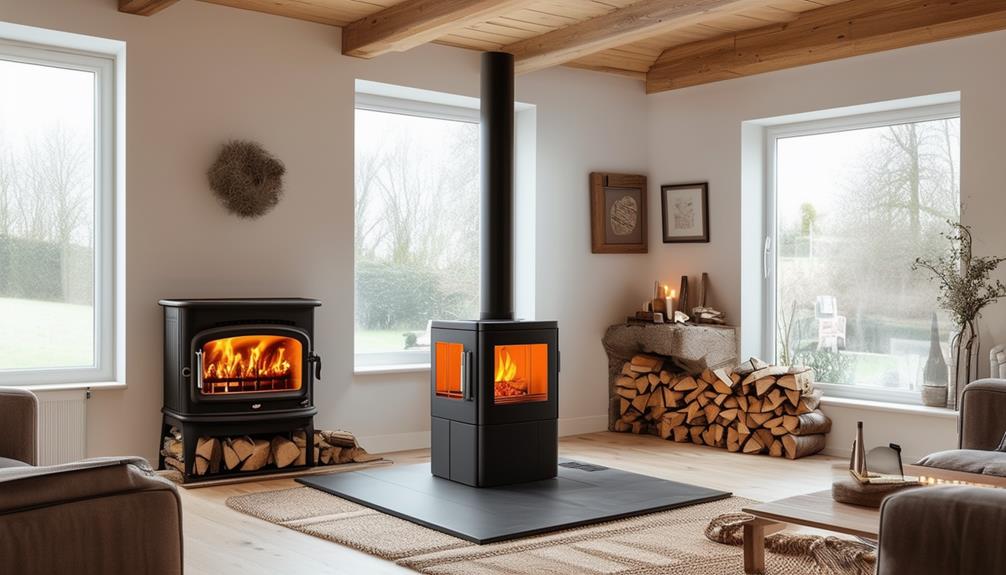
When comparing multi-fuel stoves to other heating options, it’s crucial to evaluate their efficiency, cost-effectiveness, and environmental impact. Let’s explore a detailed comparison:
- Efficiency and Cost-Effectiveness: Multi-fuel stoves are versatile, allowing you to switch between fuels like coal, wood, or pellets depending on availability and price. This contrasts with wood stoves and pellet stoves, which are limited to specific types of biomass. Gas heaters and propane heaters, while efficient, often carry higher fuel costs than biomass options. Electric heaters, although convenient, may lead to higher electricity bills especially in colder regions.
- Environmental Impact: The ability to burn multiple types of renewable fuels makes multi-fuel stoves a more sustainable choice over propane heaters or gas heaters, which rely on fossil fuels. Additionally, modern multi-fuel stoves are designed to enhance combustion efficiency, reducing emissions compared to traditional wood stoves.
- Flexibility and Reliability: Unlike electric heaters, which depend on a continuous power supply, multi-fuel stoves provide heating independence from electrical grids. This is an advantage over even gas heaters and infrared heaters, which although generally reliable, still depend on external fuel sources that may be subject to disruption.

Multi fuel stoves are an upcoming trend and the main reason as to why people are switching over to them Read more

As their name suggests, multi fuel stoves allow owners to burn a variety of fuels. They allow the use of Read more

A wood burning stove or multi-fuel stove can be part of a central heating system to keep your house warm Read more