
When it comes to servicing your multi-fuel stove, you might wonder how often you should schedule maintenance to keep it running efficiently and safely. While an annual service is generally recommended, factors like usage patterns and fuel types can greatly influence this timeline. You may be surprised to learn just how critical regular upkeep is, especially when it comes to maximizing performance and extending the stove's lifespan. But what specific practices should you consider, and are there signs that indicate your stove needs attention sooner?
Service Frequency Guidelines
To keep your multi-fuel stove operating efficiently, it's vital to service it at least once a year. Following the manufacturer's guidelines on service intervals guarantees your stove remains safe and functional. Regular cleaning ensures that your stove does not accumulate excess ash and soot during this time, which is essential for maintaining optimal stove performance.
Ideally, schedule this service at the end or beginning of the heating season, as this timing allows for peak performance when usage is highest. Your stove's usage impacts how often you should service it. If you use your stove frequently or burn specific fuels, you may need more frequent cleaning and inspections.
For instance, wood-burning stoves often require more attention due to creosote buildup, while coal and smokeless fuels may necessitate additional mid-season sweeps to prevent excessive wear. During your annual service, a qualified professional should conduct a thorough inspection, checking the flue system and verifying air vents are clear for proper airflow.
It's also important to inspect seals and gaskets, replacing any that are damaged. Regular routine maintenance throughout the heating season will further enhance your stove's efficiency and longevity, preventing costly repairs down the line.
Importance of Seasonal Cleaning
Regular seasonal cleaning of your multi-fuel stove isn't just a maintenance task; it's essential for guaranteeing peak performance and safety. By committing to seasonal cleaning, you promote efficient operation and extend the lifespan of your appliance. Here's a breakdown of the seasonal cleaning tasks that should be on your list:
| Task | Frequency |
|---|---|
| Ash Removal | Every 1-2 days |
| Thorough Cleaning | Monthly for less use |
| Flue Cleaning | At least once a year |
| Annual Service | End of heating season |
The type of fuel you use can affect how often you need to clean your stove. For instance, smokeless fuels may require more frequent attention to prevent ash buildup. Additionally, inspecting components like firebricks and door seals during cleaning helps identify issues early, preventing costly repairs later. Seasonal cleaning not only guarantees your stove remains efficient but also safeguards against hazards like excessive soot and ash accumulation. Regular maintenance not only ensures safety by preventing fire hazards from soot and ash buildup but also contributes to optimal stove performance. Therefore, it is important to burn seasoned wood to minimize the amount of soot generated. So, make it a priority to maintain your multi-fuel stove for peak performance and safety.
Regular Maintenance Practices
Maintaining a multi-fuel stove is essential for guaranteeing its efficiency and safety throughout the heating season. Implementing effective cleaning techniques and maintenance tips will help you achieve peak performance.
Start with daily cleaning by removing ashes and debris from the firebox after each use. Clean the glass door and surfaces regularly, using a metal scoop and ash container for safe disposal. Avoid vacuuming hot ashes to prevent smoldering. It's also crucial to ensure your chimney is regularly swept to prevent buildup of soot and creosote, which can reduce efficiency.
Weekly, inspect firebricks and baffles for wear, check door seals for cracks, and clean air vents to guarantee proper airflow.
Monthly, perform a deeper clean, focusing on creosote build-up, and inspect secondary air tubes for blockages. Always check seals and gaskets for wear and replace them as necessary. Regular maintenance not only improves safety but also supports the eco-friendly options available for multi-fuel stoves.
Seasonal cleaning should include a thorough inspection of all components, including the flue system, to identify any wear or damage.
Document your maintenance actions and usage patterns to maintain a clear record. Regular checks not only enhance efficiency but also contribute to safety, guaranteeing you enjoy the warmth your stove provides without concern.
Role of Professional Inspection
A multi-fuel stove's performance relies heavily on the role of professional inspection, which guarantees it operates efficiently and safely. Annual inspections by qualified professionals are essential, as they can identify potential issues early, preventing costly repairs and enhancing safety. It's recommended to hire WETT-certified professionals for wood-burning appliances in Canada, ensuring compliance with local regulations. Additionally, a thorough inspection can help assess the condition of the chimney flue liner, which is critical for safety and efficiency.
Here's a quick overview of the inspection process and its benefits:
| Inspection Aspect | Details |
|---|---|
| Frequency | Annual inspections recommended |
| Qualified Professionals | WETT-certified inspectors and chimney sweeps |
| Inspection Process | Visual examination, operational testing, documentation |
| Inspection Benefits | Prevents costly repairs, enhances safety, prolongs appliance life |
Key Component Inspections
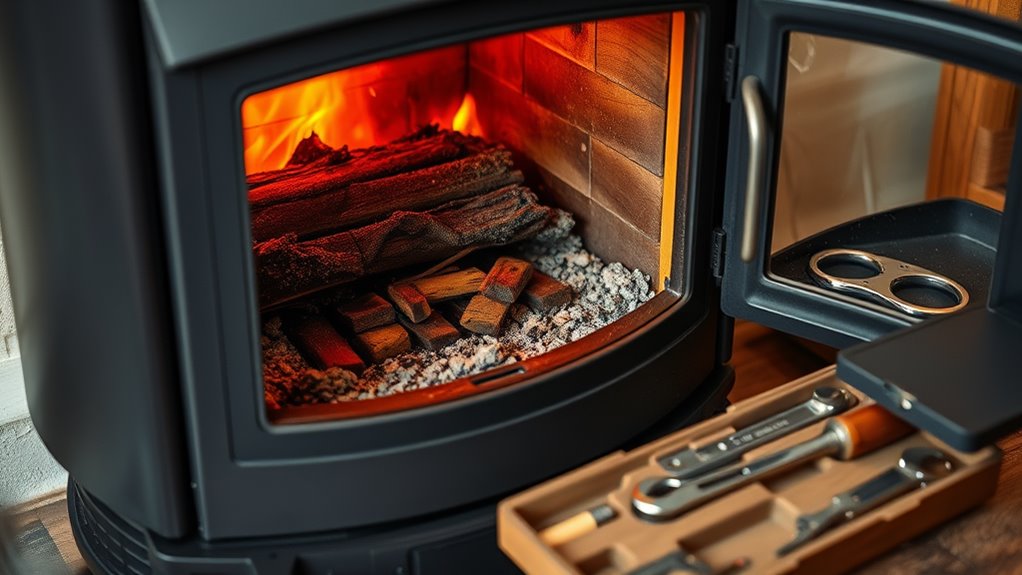
Professional inspections set the foundation for effective key component inspections of your multi-fuel stove.
Begin with a thorough firebox inspection, checking for any damage, cracks, or warping in the firebox and combustion chamber. This guarantees ideal combustion and prevents hazardous situations.
Next, examine the flue and chimney for cracks, deterioration, or blockages, as these can severely impact airflow and efficiency.
Don't overlook the catalytic converter; inspect it for damage, deterioration, or contamination. A well-functioning catalytic converter is essential for reducing emissions and enhancing performance.
Verify that all gaskets and seals are intact, creating an airtight seal to maintain combustion efficiency.
Also, confirm that the venting system is installed correctly and free of damage or corrosion.
During operational testing, light a small fire to observe the combustion process, monitoring ignition, burning efficiency, and heat distribution. Check for appropriate airflow and ascertain no performance issues arise.
Regular maintenance tasks, including cleaning the stove interior and flue pipes, contribute to long-term performance. Additionally, following best practices for usage ensures that your stove operates efficiently and minimizes environmental impact.
Safety Considerations for Users
When using a multi-fuel stove, it is crucial to prioritize safety to prevent accidents and guarantee efficient operation. Adhering to proper safety precautions and user guidelines can help you enjoy your stove while minimizing risks.
| Installation | Operation | Maintenance |
|---|---|---|
| Ensure proper clearance | Use dry, seasoned wood | Conduct annual inspections |
| Install heat shields | Ventilate while operating | Clean chimney regularly |
| Use a noncombustible base | Avoid unattended fires | Inspect for defects |
For installation, confirm the stove is placed away from combustible materials and that it is installed by authorized technicians per local codes. During operation, always burn appropriate fuels and never leave a fire unattended. When it comes to maintenance, perform annual inspections and cleaning to prevent creosote buildup in the chimney.
Remember to obtain compliance certificates and adhere to manufacturer guidelines. Following these precautions not only enhances safety but also maximizes the stove's efficiency and lifespan. Additionally, regular maintenance helps reduce health risks associated with wood smoke, ensuring a safer environment for all users. Stay vigilant, and prioritize safety every time you use your multi-fuel stove.
Signs Your Stove Needs Servicing
Maintaining safety is just the first step in guaranteeing your multi-fuel stove operates efficiently. You should be vigilant in monitoring several service indicators that signal the need for servicing.
For instance, if you notice increased ignition times, it's a clear sign your stove requires attention. Decreased heating efficiency often indicates chimney build-up or blockages, while unusual smoke production can suggest improper combustion, necessitating immediate performance monitoring.
Difficulty in controlling the fire or maintaining a consistent burn also points to potential issues. Reduced airflow or draft often indicates obstructions in the chimney or flue that must be addressed.
Mechanical problems such as cracks in the firebox or wear and tear on seals can lead to greater inefficiencies and safety risks. Pay attention to loose or damaged joints, as these can cause hazardous leaks.
Additionally, safety risks like excessive creosote buildup or unusual noises during operation warrant immediate inspection. Overheating or inconsistent ignition patterns are further indications that your stove needs servicing to guarantee peak performance and safety.
Regularly check for these signs to maintain your multi-fuel stove's efficiency and safety. High thermal efficiency is crucial in ensuring optimal operation and reducing the frequency of servicing needed.
Benefits of Regular Maintenance
Regular maintenance of your multi-fuel stove is essential for guaranteeing peak performance and safety. By debunking common maintenance myths, you can implement effective cleaning techniques that bolster efficiency and longevity. Here are some key benefits of regular maintenance:
| Benefit | Description | Impact |
|---|---|---|
| Enhanced Efficiency | Regular cleaning guarantees maximum airflow, reducing fuel consumption. | Lower energy costs |
| Safety Considerations | Prevents soot build-up and potential chimney fires by maintaining components. | Increased safety |
| Prolonged Lifespan | Regular upkeep minimizes wear and tear, extending your stove's operational life. | Reduced replacement costs |
| Cost Savings | Early identification of issues can save you from costly repairs and enhance efficiency. | Long-term financial benefits |
Maintaining your stove helps you avoid dangerous situations and guarantees that it runs efficiently. Remove ash and debris regularly to prevent blockages, and replace worn parts promptly. Regular inspections by professionals will uncover potential issues, guaranteeing a safe heating environment. By prioritizing maintenance, you not only enhance your stove's performance but also secure your investment for years to come. Additionally, annual professional chimney sweeping is recommended for safety, ensuring that your stove operates efficiently and reduces risks associated with blocked chimneys.
Manufacturer Recommendations
To guarantee your multi-fuel stove operates safely and efficiently, following the manufacturer's recommendations for servicing is vital.
Start by sweeping your chimney at least once a year, but if you use a wood-burning stove, you might need to sweep it twice a year due to increased creosote buildup. Coal and smokeless fuels create more abrasive residue, so plan for an additional mid-season sweep to protect your chimney liner.
For regular cleaning, remove ashes every 1-2 days if you use your stove frequently. Less-used stoves should undergo thorough cleaning monthly, which includes the flue, glass, and exterior surfaces.
Seasonal deep cleaning at the beginning and end of each heating season is also recommended. Additionally, keeping your stove well-maintained supports environmental impact by reducing greenhouse gas emissions.
Before the heating season starts, perform in-depth maintenance, inspecting and replacing any worn components. Annual servicing is essential and should ideally occur at the season's start or end.
This allows for effective sweeping techniques and helps catch potential issues before they escalate.
Frequently Asked Questions
Can I Service My Multi Fuel Stove Myself?
You can't fully service your multi-fuel stove alone. While you can perform basic maintenance, always prioritize safety precautions. Follow a maintenance checklist and consult a professional for tasks requiring specialized tools and expertise.
What Tools Do I Need for Stove Maintenance?
Think of stove maintenance as a dance; you'll need the right tools to keep rhythm. Your stove cleaning tool checklist should include brushes, scrapers, vacuums, and protective gear to guarantee a smooth performance.
How Long Does a Servicing Typically Take?
Service duration varies based on maintenance frequency and stove condition. Routine checks are quicker, while in-depth servicing may take longer. Always prepare your workspace and tools to facilitate efficient servicing when required.
Is There a Warranty for Servicing?
Yes, there's warranty coverage for servicing. It typically covers essential repairs within two to four years. Service frequency can impact your warranty, so make certain you follow the manufacturer's recommendations for maintenance to stay protected.
What Are Common Mistakes During Stove Maintenance?
Picture a gleaming stove; neglecting proper cleaning or fuel selection can tarnish that shine. Avoid harsh chemicals, abrasive tools, and remember to inspect burners regularly for ideal performance and longevity in your cooking experience.
Conclusion
In summary, servicing your multi-fuel stove annually is essential for maintaining efficiency and safety. Notably, studies show that regular maintenance can reduce the risk of chimney fires by up to 90%. By adhering to seasonal cleaning guidelines and performing routine inspections, you not only enhance your stove's performance but also prolong its lifespan. Stay proactive in your maintenance practices to enjoy a safer and more efficient heating experience. Don't overlook the importance of professional inspections for ideal safety.

Multi fuel stoves are an upcoming trend and the main reason as to why people are switching over to them Read more

As their name suggests, multi fuel stoves allow owners to burn a variety of fuels. They allow the use of Read more

A wood burning stove or multi-fuel stove can be part of a central heating system to keep your house warm Read more