Yes, you’ll need to sweep your multi-fuel stove regularly to guarantee it remains safe and efficient. Different fuels vary in the amount of soot and tar they produce, especially if you’re using wood, which tends to create more build up than coal. It’s advisable to sweep the chimney at least once a year, but more frequent cleaning might be necessary depending on your usage and the type of fuel you employ. Regular sweeping enhances airflow and heat distribution, reduces fire hazards, and prolongs the life of your stove. Keeping on top of this maintenance can reveal more benefits and ways to enhance your stove’s performance.
Understanding Multi-Fuel Stove Maintenance
To confirm your multi-fuel stove operates efficiently and safely, regular maintenance is vital. Multi-fuel stoves are versatile, allowing you to burn various fuel types, including wood, coal, and peat. However, each fuel type impacts your stove’s performance and necessitates specific care to maintain optimum multi-fuel efficiency.
Firstly, always use the right fuel for your stove. Check the manufacturer’s recommendations because using inappropriate fuel not only affects performance but can also damage your stove. For instance, some stoves aren’t designed to handle the high temperatures generated by coal.
Secondly, understanding the characteristics of different fuels is essential. Wood, for instance, should be well-seasoned and dry, as damp wood leads to tar build-up and reduced efficiency. Conversely, coal burns at a higher temperature, which can accelerate wear on the stove’s components if not monitored closely.
Additionally, regularly check and replace any worn or damaged parts, such as seals and firebricks, to confirm the stove remains effective and safe to use. This not only preserves the longevity of the stove but also enhances its efficiency, saving you money in the long run.
Lastly, keep an eye on the ash pan. Different fuels produce varying amounts of ash, which can clog the air intake if not cleared out regularly, impeding the stove’s efficiency.
Importance of Regular Sweeping

Regular sweeping of your multi-fuel stove’s chimney is fundamental to prevent dangerous build-ups of soot and tar. These accumulations can greatly compromise the efficiency and safety of your stove, leading to potential hazards like chimney fires. Regular cleaning maintains ideal airflow, essential for efficient burning and heat distribution.
Here’s why you shouldn’t overlook the sweeping benefits and safety considerations:
- Improved Efficiency: Clearing obstructions and residue guarantees that air can circulate properly, which enhances the combustion process. This means you’ll use less fuel for the same amount of heat, saving you money in the long run.
- Extended Appliance Lifespan: Regular maintenance reduces wear and tear on your stove’s components. By preventing corrosive build-ups, you prolong the functional life of your stove, avoiding costly repairs or replacements.
Adopting a proactive approach to sweeping your multi-fuel stove’s chimney is essential. It’s not just about keeping it running; it’s about keeping you safe. Regular maintenance guarantees that your stove remains a beneficial addition to your home, not a liability.
How Often to Sweep Your Stove
You should sweep your multi-fuel stove’s chimney at least once a year, though the frequency may increase depending on usage and fuel type.
If you’re burning wood, it’s particularly important to monitor the build up of creosote, which can accumulate faster than when using other fuels. In this case, increasing the sweeping frequency to twice a year is wise, especially during periods of heavy use.
For those using coal or smokeless fuels, the residue tends to be more abrasive and can damage the chimney liner over time. It’s recommended to schedule an additional mid-season sweep to prevent excessive wear and guarantee efficient airflow.
Keep in mind, the type of wood you burn also affects how often you’ll need to sweep. Hardwoods, which burn slower and hotter, generally produce less creosote than softer woods.
To determine the best sweeping schedule, take note of your stove’s performance. If you start noticing longer ignition times or decreased heating efficiency, it might be a sign that your chimney needs attention sooner.
Keeping a log of fuel types and consumption can help you and your sweep determine the best frequency for your specific setup.
Risks of Neglecting Sweeping
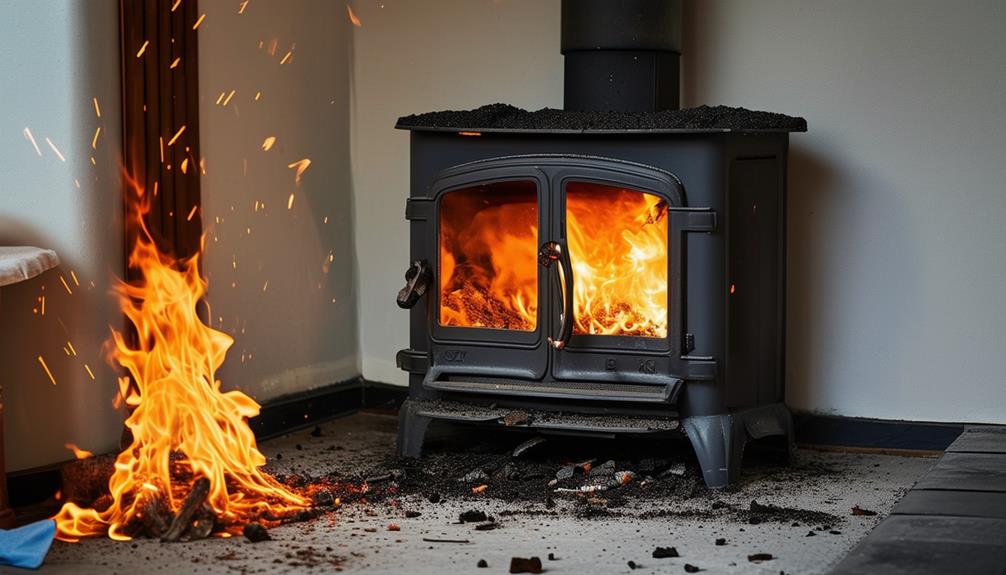
Neglecting to sweep your multi-fuel stove’s chimney can lead to several serious risks, including the increased potential for chimney fires and carbon monoxide build up. Over time, the accumulation of soot and creosote—a by product of burning various fuels—can greatly increase the risk of a chimney fire. This fire hazard isn’t just a minor inconvenience; it poses a real threat to your home and safety.
Here are some key risks associated with not sweeping your multi-fuel stove:
- Increased Fire Hazard: Creosote and soot, highly combustible materials, accumulate in your chimney. If they ignite, the result can be a devastating chimney fire that might spread to the rest of your home.
- Carbon Monoxide Poisoning: Blocked or partially blocked chimneys can prevent gases from escaping, leading to carbon monoxide accumulation inside your home. This colourless, odourless gas is deadly if inhaled in large quantities.
To avoid these risks, it’s essential to maintain a regular sweeping schedule. Regular maintenance guarantees your stove operates safely and efficiently, safeguarding your home and health.
Tips for Effective Stove Sweeping
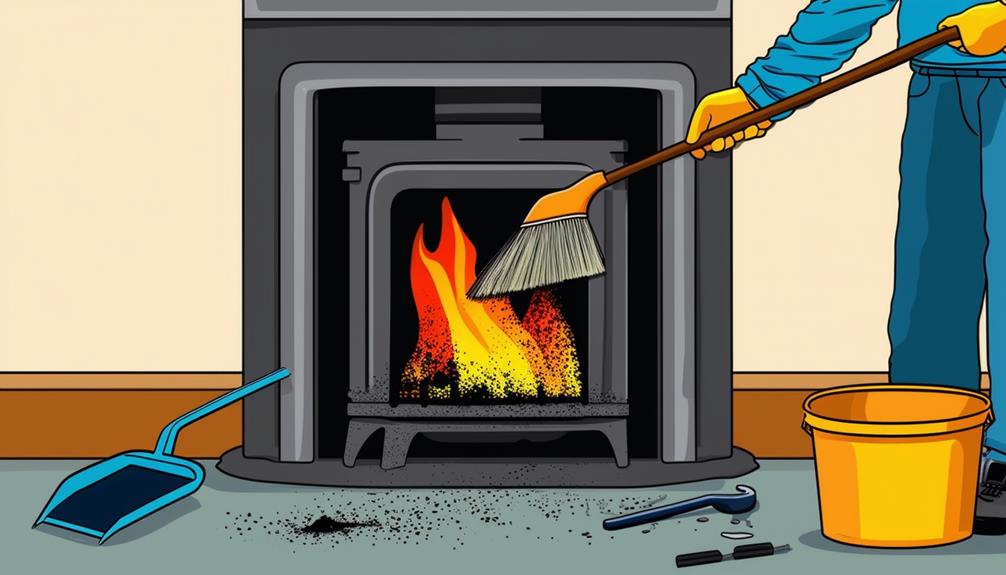
Make certain your multi-fuel stove remains in top condition by following these essential sweeping techniques.
To begin with, select the right cleaning tools; a high-quality chimney brush matched to the size of your flue is imperative. It’s not just about pushing out soot; you need to effectively scrape off creosote build up without damaging the lining.
Begin by ensuring your stove is completely cool. Remove any ash and debris from the firebox before you tackle the chimney. Attach your brush to an appropriately sized rod.
If you’re sweeping from inside, cover the area around the stove to catch falling soot. Insert the brush into the flue, using gentle yet firm upward and downward motions. This helps in dislodging any hardened deposits.
As you work, periodically withdraw the brush to check the amount of residue removed. This step is essential as it prevents blockages from forming during the cleaning process. Continue until you feel the brush moving smoothly, indicating a clear passage.
Don’t forget to inspect the stovepipe and joints for any signs of wear or leakage. Address these issues promptly to maintain your stove’s efficiency.
Regular sweeping isn’t just a safety measure; it enhances your stove’s performance and extends its lifespan.
Choosing the Right Sweeping Professional

While DIY stove sweeping is an option, finding a skilled professional guarantees a thorough and safe cleaning.
It’s vital to choose the right expert to make certain your multi-fuel stove operates efficiently and safely. Here’s how you can select the best professional for the job:
Firstly, don’t shy away from credentials verification. A certified chimney sweep has the training and knowledge to handle different stove types and will adhere to safety standards. Look for certifications from reputable organizations like the National Chimney Sweep Guild (NCSG) or the Chimney Safety Institute of America (CSIA).
Secondly, ask for service recommendations from community members or online forums. People’s experiences often reflect the quality and reliability of the service provided. Positive feedback is a good indicator of professionalism and expertise.
Lastly, make sure they offer a detailed service report. This should include what was done, any issues found, and recommendations for maintenance or repairs. This documentation is essential for keeping track of your stove’s health and performance.
- Verify credentials rigorously
- Seek out recommendations
Choosing the right professional not only extends the life of your stove but also keeps your home safe.

Multi fuel stoves are an upcoming trend and the main reason as to why people are switching over to them Read more

As their name suggests, multi fuel stoves allow owners to burn a variety of fuels. They allow the use of Read more

A wood burning stove or multi-fuel stove can be part of a central heating system to keep your house warm Read more