
Imagine a reliable old car that keeps running well with a bit of care; that's much like your multi-fuel stove. On average, these stoves can last anywhere from 10 to 30 years, but the exact lifespan hinges on several factors. The materials they're made from, the maintenance you provide, and even the type of fuels you use all play vital roles. So, how do you guarantee that your stove remains a dependable source of warmth for years to come?
Typical Lifespan of Stoves
When considering the typical lifespan of stoves, you'll find that it varies considerably across different types.
Wood-burning stoves generally last between 10 to 20 years, with high-quality models capable of reaching up to 40 years when properly maintained.
Cast iron stoves can endure even longer, often exceeding 30 years, while steel counterparts typically last between 10 to 20 years due to lighter construction.
Liquid fuel stoves are durable, although specific lifespans aren't always clear. They require maintenance every couple of years, and their reliability is well-regarded.
Canister stoves are known for exceptional durability and require practically no maintenance, making them suitable for emergencies.
Multi-fuel stoves, which offer versatile fuel options, have a lifespan that varies widely. Some may last over 15 months with heavy use, depending on material quality and construction. Regular cleaning is essential for extending the lifespan of multi-fuel stoves and preventing issues that could lead to early replacement.
User experiences highlight that following maintenance protocols and using the correct fuel type can greatly extend the lifespan of multi-fuel stoves.
Factors Affecting Lifespan
The lifespan of multi-fuel stoves hinges on several critical factors that can considerably influence their durability and efficiency. Among these, the choice of fuel types plays a significant role. Using seasoned hardwood instead of green wood can enhance combustion efficiency and reduce wear on your stove.
It's crucial to monitor burning temperatures, avoiding overfiring to prevent warping or cracking.
Operational practices also greatly impact longevity. Regular cleaning is essential to prevent ash and creosote buildup, which can impede performance and create fire hazards. Additionally, regular cleaning procedures ensure that your stove operates safely and efficiently over time.
Inspecting seals and gaskets guarantees that heat loss is minimized, maintaining efficiency. You should also regularly check air vents to confirm proper airflow for peak combustion.
Environmental conditions can't be overlooked, either. Excess moisture can cause rust, while temperature fluctuations stress the materials.
Conducting seasonal deep cleaning and annual professional inspections helps identify issues like leaks or blockages early, safeguarding safe operation.
Material Quality Considerations
Material quality plays a pivotal role in determining the longevity and performance of your multi-fuel stove. When considering a cast iron stove, you'll appreciate its durable construction, which offers long-lasting performance. Cast iron stoves retain heat for extended periods after the fire is extinguished, making them efficient in both heating and energy conservation. However, be mindful that improper installation can lead to cracking, though this is rare with proper care. Additionally, modern EPA certified stoves are designed to improve combustion efficiency, contributing to better overall performance.
On the other hand, a steel stove heats up quickly due to its thinner, less dense material, which can be an advantage regarding immediate warmth. Steel stoves often boast a contemporary design, appealing to modern aesthetics, but they cool down faster than cast iron models. Additionally, using well-seasoned wood as fuel enhances the stove's efficiency and longevity, ensuring optimal heat output.
In a steel comparison, while both materials can deliver equivalent heat output, high-quality cast iron stoves generally last 30 years or more, whereas steel stoves typically have a lifespan of 10 to 20 years. Ultimately, the choice between cast iron and steel should focus on quality, as a well-made stove—regardless of material—will appreciably influence longevity and performance.
Importance of Maintenance
Choosing a high-quality stove is just the beginning; maintaining it's key to guaranteeing its longevity and ideal performance. Routine upkeep plays an essential role in preventing the buildup of ash, soot, and creosote, which can hinder efficiency and safety.
You should clean your stove regularly, removing ashes daily for frequent use, while less active stoves require thorough cleaning at least once a month. Don't forget to clean the firebox, glass door, and flue pipes.
Additionally, schedule an annual professional inspection to identify potential issues early and guarantee safe operation. This detailed check is often legally required and provides valuable documentation for your records.
Seasonal deep cleaning at the start and end of the heating season is another preventive measure that keeps your stove in prime condition. This process removes debris and inspects components for wear or damage, enhancing performance and safety.
Finally, maintain peak usage by guaranteeing proper airflow, using quality firewood, and regularly inspecting parts. Regular cleaning and inspection will help ensure your multi-fuel stove operates efficiently and safely. By committing to these maintenance practices, you'll prolong your multi-fuel stove's lifespan and enjoy its benefits for years to come.
Environmental Conditions Impact
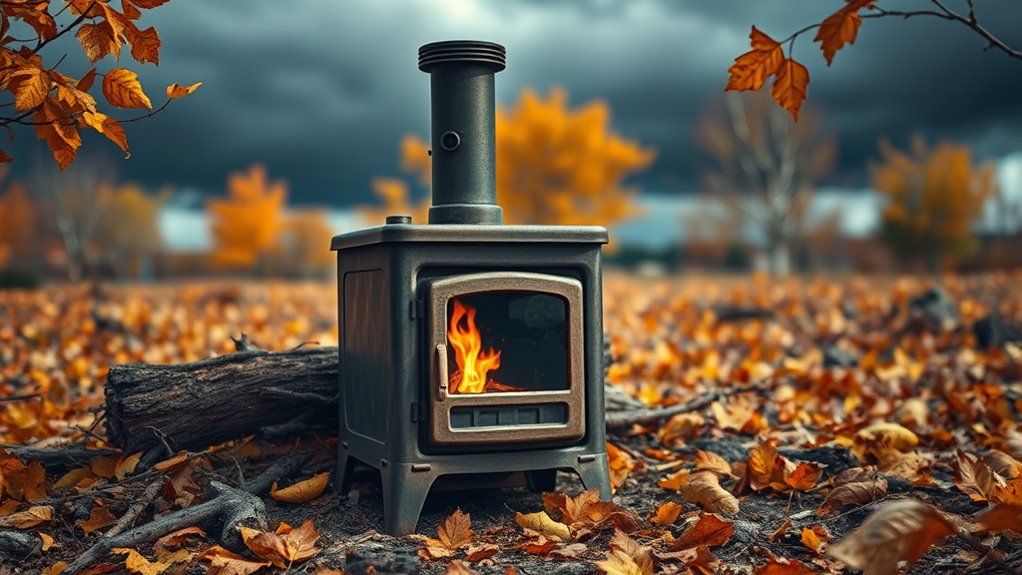
Environmental conditions greatly influence the performance and efficiency of multi-fuel stoves. When it comes to emission reduction, the quality of wood you burn plays an essential role. Using dry, seasoned wood considerably lowers emissions compared to burning green or wet wood. Poor wood quality can lead to incomplete combustion, resulting in higher levels of toxic pollutants like PM2.5 and benzene, which contribute to air pollution and health risks.
In colder months, wood stoves can become major sources of air pollution, particularly in areas with temperature inversions that trap smoke. This situation can worsen the air quality in your home and surrounding environment. If you live in regions with strict emission standards, such as those set by the EPA, you need to guarantee your stove meets these requirements to avoid excessive emissions.
Furthermore, maintaining your stove's efficiency is vital. Newer models with improved combustion technology can reduce smoke and pollutant levels, aligning with environmental regulations. Additionally, using high-quality fuels can further enhance combustion efficiency and reduce harmful emissions.
Signs of Replacement
Over time, you'll notice specific signs that indicate it's time to replace your multi-fuel stove. First, look for replacement indicators like warping or rusting on the metal components.
Damage to the firebox, baffle plate, or door can hinder your stove's ability to seal properly, directly affecting its operational efficiency. If you observe a decline in performance, such as increased fuel consumption for reduced heat output, that's a strong signal for replacement.
Physical damage, including cracks in firebricks or worn-out gaskets, can lead to air leaks, causing inefficient combustion. If you find yourself frequently restocking wood due to short burn times, it's time to reassess your stove's condition.
Safety concerns also play an essential role; excessive smoke or creosote buildup indicates ventilation issues that can't be ignored. Overfiring may warp components, leading to hazardous situations. Additionally, keeping an eye on the efficiency ratings of your stove can help you determine if a replacement is necessary as newer models may offer improved performance.
Effects of Quality Maintenance

Regular maintenance is vital for maximizing the lifespan of your multi-fuel stove. By implementing effective maintenance techniques, you can greatly reduce wear and tear, enhancing overall efficiency and longevity.
Annual sweeping of the chimney and flue is essential to prevent dangerous soot and tar build-up, while regular inspections of components like seals and firebricks help identify and address damage early. Additionally, regular chimney sweeping ensures proper fume escape and minimizes the risk of chimney fires.
Using high-quality, seasoned wood minimizes creosote accumulation, which further protects your stove. It's also important to manage the ash pan frequently to maintain proper airflow. Neglecting these tasks can lead to costly repairs and decreased performance.
Don't underestimate the value of professional services. Scheduling annual inspections guarantees thorough cleaning and expert evaluations of your stove's condition, allowing for timely interventions.
Remember, a well-maintained stove not only operates more efficiently but also poses fewer safety risks.
The time and effort you invest in regular maintenance will pay off by extending the lifespan of your multi-fuel stove, ultimately saving you money in the long run.
Prioritize these practices, and you'll enjoy a dependable heating source for years to come.
Upgrades and Efficiency Gains
Upgrades to your multi-fuel stove can lead to significant efficiency gains and enhanced performance. One of the most impactful modifications you can make is to upgrade to a dual fuel capability. This change allows you to burn both pellets and wood, resulting in reduced fuel consumption and improved heat retention.
Here's a comparison of efficiency upgrades:
| Upgrade Type | Benefits | Efficiency Gain |
|---|---|---|
| Dual Fuel Capability | Flexibility in fuel use | Reduces pellet consumption by 50% |
| High-End Cast Iron Stoves | Long lifespan, high efficiency | Retains 70% more heat |
| Automated Feeding Systems | Consistent fuel delivery | Enhances combustion efficiency |
Additionally, multi fuel stoves provide versatility by allowing the use of various fuels, which can contribute to improved overall efficiency.
Choosing the Right Stove
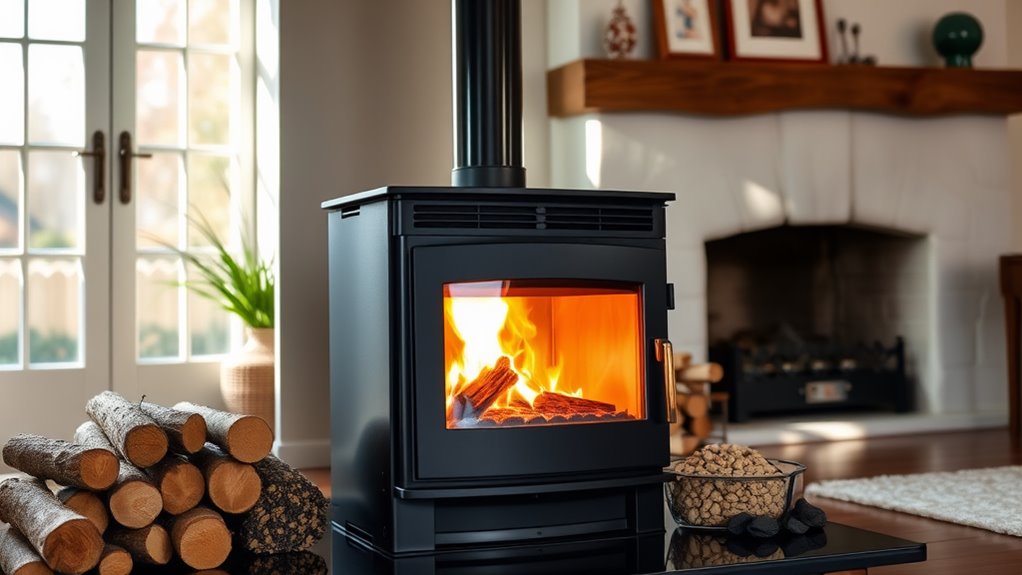
Choosing the right stove is fundamental for guaranteeing you meet your heating needs efficiently and effectively. With various stove types and features available, it's essential to keep in mind a few key factors before making a decision.
Here are three important aspects to evaluate:
- Usage Needs: Identify whether you need a stove for cooking, heating, or both. Dual-fuel stoves can provide flexibility with gas and electric options.
- Fuel Types: Determine the fuel type that suits your lifestyle best. Wood stoves offer longevity but require specific maintenance, while gas stoves provide convenience and swift heating.
- Brand Reputation: Research brands known for producing durable stoves. High-quality materials like cast iron or steel will guarantee a longer lifespan and reliability.
Additionally, keep in mind environmental factors like ventilation and chimney maintenance. Your stove's design should complement your home aesthetics, and budget considerations are significant for long-term satisfaction. Using multi fuel stoves can also enhance your home ambiance while providing effective heat distribution.
Finally, make sure you follow the manufacturer's instructions for installation and maintenance to maximize the stove's longevity and performance. Making an informed choice now will pay off in efficiency and effectiveness for years to come.
Frequently Asked Questions
Can I Use Different Fuel Types in One Stove?
Yes, you can use different fuel types in one stove if it's designed for fuel compatibility. Ensuring proper fuel selection enhances stove efficiency, so always check your stove's specifications for ideal performance and safety.
How Do I Know When to Replace Parts?
Regular inspections can reveal that catalytic combustors typically need replacement every ten years. To guarantee peak performance, follow maintenance tips like checking seals and gaskets, and replace parts promptly to avoid efficiency losses and safety issues.
What Are the Best Practices for Stove Cleaning?
For effective stove maintenance, establish a cleaning frequency of every three days for light cleaning, deep clean at the season's start and end, and always inspect seals and components for peak performance and safety.
Are There Warranties for Multi-Fuel Stoves?
Yes, multi-fuel stoves usually come with warranty coverage ranging from 2 to 10 years, depending on the manufacturer. Warranty duration typically covers defects but excludes damage from misuse or normal wear and tear.
Can I Install a Stove Myself?
Sure, you could attempt a DIY installation, but wouldn't it be ironic to risk safety for convenience? Prioritize compliance with safety considerations, and consider hiring a professional to guarantee your stove operates efficiently and safely.
Conclusion
In conclusion, while a multi-fuel stove can warm your home for decades, its true longevity hinges on factors like material quality and maintenance. By treating your stove with care and attention, you're not just prolonging its life; you're ensuring it continues to serve you faithfully. So, embrace regular upkeep and choose wisely, and you might find your stove becomes a cherished companion, keeping your space cozy for many winters to come.

Multi fuel stoves are an upcoming trend and the main reason as to why people are switching over to them Read more

As their name suggests, multi fuel stoves allow owners to burn a variety of fuels. They allow the use of Read more

A wood burning stove or multi-fuel stove can be part of a central heating system to keep your house warm Read more