
If you've ever noticed your multi-fuel stove struggling to keep the room warm, it might be time to reassess your maintenance routine. You can't overlook the importance of regular cleaning and inspections to guarantee efficient operation. From ash removal to managing air supply, there are several key tasks you should prioritize. But what happens if you miss a vital step in your maintenance? Understanding the intricacies of keeping your stove in top shape can make all the difference in performance and safety.
Importance of Regular Maintenance
Regular maintenance of your multi-fuel stove is vital for guaranteeing its safety and efficiency. By performing routine tasks, you prevent the build-up of ash, soot, and creosote, which can greatly impede stove efficiency and create fire hazards. Additionally, regular chimney sweeping is crucial for fire safety and optimal performance.
Always make certain the stove is completely cool before cleaning to avoid damage or injury. Use recommended brushes and scrapers to clean the firebox, glass door, and flue pipes effectively. Additionally, regular cleaning prevents ash and soot build-up that can affect performance.
Inspect the seals and gaskets around the stove door regularly. Damaged or worn seals can lead to heat loss, reducing your stove's efficiency. Additionally, removing excessive ash will prevent it from piling up and causing airflow issues, which can be unsafe.
Scheduling annual inspections with
Weekly Cleaning Routine
Maintaining a multi-fuel stove involves more than just annual inspections; a consistent weekly cleaning routine is key to guaranteeing peak performance. Depending on your stove's usage, aim for a cleaning frequency of every 3-4 days for heavily used models, or daily to every other day for moderate use.
Start your weekly routine with ash removal. Use an ash vacuum to clean out the burn box and firebox thoroughly. Next, focus on carbon deposits; utilize the cleaning tool provided by the manufacturer to scrape off any build-up. Regular cleaning ensures optimal stove performance, enhancing efficiency and safety.
Don't forget to clean the baffles that cover the heat exchange tubes or fins, as they can impede efficiency. Inspect air vents to verify they're free from obstructions and functioning properly. Regularly check for blockages in the flue or chimney, which can pose safety hazards. Additionally, ensure you remove all ash from the burn box and firebox to maintain optimal function.
After ash removal, empty the ash pan to prevent buildup. Maintaining visibility and efficiency also involves cleaning the glass door frequently. Finally, always verify your stove is cool before cleaning, and wear protective gear to safeguard against ash and debris.
Stick to this routine to keep your multi-fuel stove operating safely and efficiently.
Deep Cleaning Procedures
A thorough deep cleaning of your multi-fuel stove is essential for ensuring peak performance and longevity. Start by preparing your cleaning tools and protective gear, such as gloves, a mask, and safety eyewear. Before diving into the cleaning process, make sure your stove is completely cool. At the beginning and end of the heating season, follow these steps for effective deep cleaning:
| Cleaning Steps | Details |
|---|---|
| Empty Ash | Use a small shovel for ash disposal, avoiding flammable materials. |
| Internal Cleaning | Vacuum and brush the firebox, flue, and air vents to remove debris. |
| Glass & Exterior Care | Use abrasive cleaner for the glass and a damp cloth for the exterior. |
Ensure you polish the interior metal surfaces and check for blockages in pellet and eco-stoves. Proper fuel management is also crucial for maintaining optimal efficiency. Regularly inspect components for wear and schedule an annual professional inspection to catch issues early. Proper maintenance and cleaning not only guarantee safety but also enhance efficiency, keeping your stove in prime condition. Additionally, cleaning your flue regularly helps prevent smoke buildup and ensures efficient operation.
Inspecting Seals and Gaskets
Inspecting seals and gaskets on your multi-fuel stove is essential for ensuring ideal performance and safety.
Start with a visual inspection of the door seals for visible damage or fraying. To assess seal effectiveness, perform the paper test: close the door with a sheet of paper in between. If it slides out easily, the seal is compromised and needs attention.
If the seal feels loose, adjust the latch plate by loosening the bolts and pushing it back into the farthest position. Should the seal remain loose after this adjustment, you'll need gasket replacement.
Select the correct type of gasket based on the old seal's density and size. Measure the channel width and depth for accurate fitting, and use high-temperature adhesive or stove gasket cement to secure the new gasket.
Regularly checking and replacing door seals every 12 months, or as needed, prevents efficiency loss and reduces the risk of heat loss and carbon monoxide entering your home. Additionally, maintaining the integrity of seals and gaskets is crucial for optimal efficient operation of your wood-burning stove.
Prioritize these inspections to maintain your stove's efficiency and safety.
Adjusting Air Vents
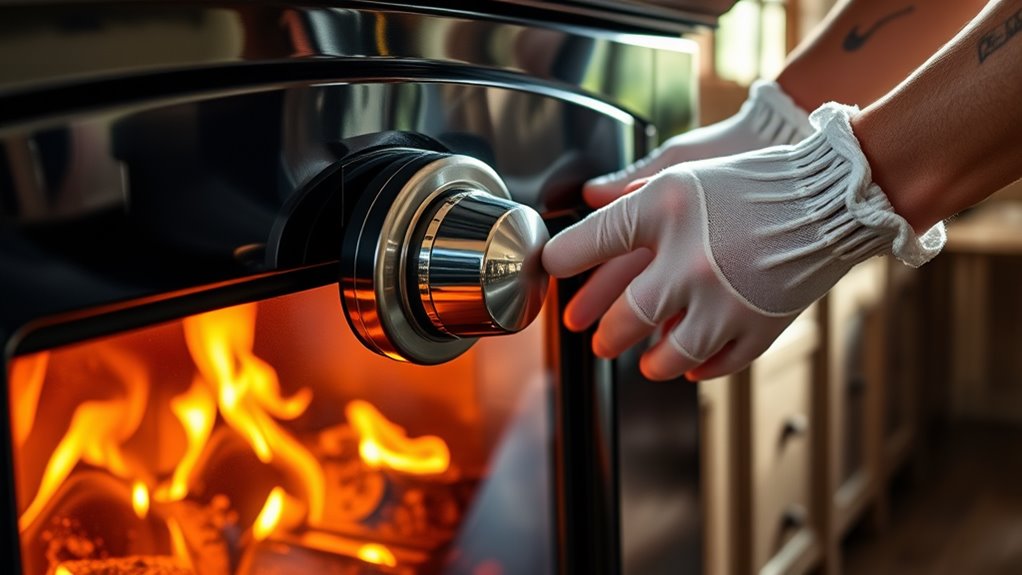
Air vent adjustment is essential for enhancing the performance of your multi-fuel stove. Proper regulation of the air supply directly influences combustion efficiency. To achieve a balanced burn, it's vital to understand the roles of primary, secondary, and tertiary air supplies.
Here's a quick reference table for adjusting air vents:
| Air Supply Type | Function | Adjustment Tips |
|---|---|---|
| Primary | Controls initial combustion | Open fully for ignition; close gradually after establishing fire |
| Secondary | Burns unburned gases | Adjust for steady burn once fire is established |
| Tertiary | Enhances flue gas combustion | Use in advanced stoves for complete gas combustion |
During fire ignition, keep all vents open to maximize oxygen supply. Once the fire is stable, gradually close the primary air vent to regulate the burn rate. Different fuels require specific adjustments; for wood, you may close the primary air completely and rely on secondary air. Regularly monitor the fire and make adjustments as needed to maintain an ideal balance between heat output and fuel consumption. This practice not only improves efficiency but also enhances your stove's overall performance. Additionally, using sustainable fuel sources can further optimize combustion and reduce emissions.
Professional Inspection Services
Guaranteeing your multi-fuel stove operates safely and efficiently relies heavily on professional inspection services.
Regular chimney inspections are essential for identifying potential hazards that could affect your stove's performance. There are three levels of chimney inspection: Level I, Level II, and Level III.
A Level I inspection includes a visual check of easily accessible parts, verifying that your chimney structure is sound and free from obstructions. It's recommended annually if no changes have been made.
Level II expands on this by examining areas like attics or crawl spaces and may include performance tests or video inspections; it's necessary when adding new heating appliances or after an event that might've caused damage.
Level III is the most extensive, typically required for serious conditions where hidden hazards exist, potentially involving structural alterations.
Utilizing professional services for these inspections not only helps in fire and carbon monoxide prevention but also guarantees the longevity and peak performance of your multi-fuel stove. Additionally, ensuring proper flue installation is crucial for maintaining efficiency and safety in your heating system.
With detailed reports, including photographs, you gain a thorough understanding of your chimney's condition, allowing you to address issues promptly.
Seasonal Maintenance Checklist
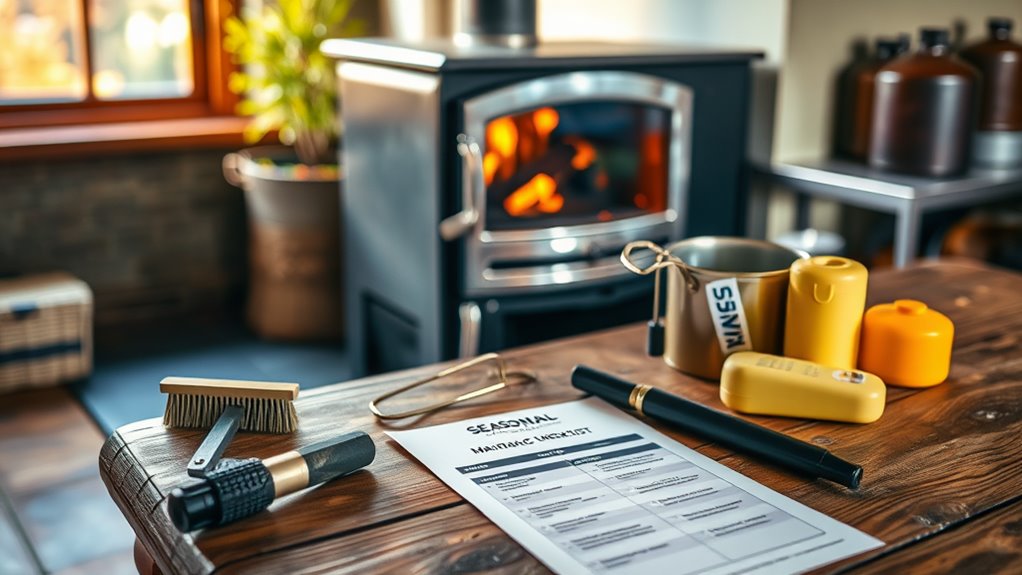
To keep your multi-fuel stove operating at peak efficiency, following a seasonal maintenance checklist is essential.
Regular seasonal checks guarantee that your stove functions safely and effectively throughout the year.
Here's a concise checklist to guide you through your maintenance frequency:
- Pre-Heating Season: Inspect seals and gaskets for wear, clean the flue system, and check internal components for damage.
- During Heating Season: Conduct regular cleanings after each use, monitor air vents for blockages, and empty ash every one to two days to maintain airflow.
- Post-Heating Season: Deep clean the stove, inspect the chimney, and check door mechanisms to verify they operate smoothly. Additionally, ensure that you maintain good home insulation to maximize heating efficiency.
Safe Fuel Burning Techniques
After completing the seasonal maintenance checklist, it's important to focus on safe fuel burning techniques to optimize your multi-fuel stove's performance.
Start by using only approved fuels, such as seasoned logs, smokeless coal, or manufactured fuels like briquettes. Avoid burning hazardous materials like treated wood or cardboard, as this can jeopardize combustion safety and fuel efficiency.
When lighting your stove, use firelighters and kindling, guaranteeing air vents are open to facilitate airflow. Once the fire is established, add fuel evenly across the firebox to promote efficient burning.
Control the air supply to maintain a steady temperature; this prevents rapid burning and enhances fuel efficiency.
Regular cleaning of your stove and chimney is essential for safety, helping to avoid soot buildup that can lead to chimney fires.
Additionally, be cautious about burning at low temperatures for extended periods, as this can result in incomplete combustion and tar buildup. Utilizing sustainable fuels not only enhances combustion efficiency but also contributes positively to the environment.
Always adhere to the manufacturer's guidelines and avoid overloading the stove.
Troubleshooting Common Issues

Many users encounter common issues with their multi-fuel stoves, but troubleshooting these problems can often be straightforward. Addressing lighting difficulties, temperature control, and burning issues is key to maintaining stove efficiency.
- For lighting issues, make sure you use dry, seasoned fuel and a proper ignition technique. Open the air vents immediately after lighting to promote airflow.
- If you face temperature control problems, familiarize yourself with the stove's controls. Adjust air vents to maintain a consistent temperature, preventing overheating or inconsistent burning.
- For burning issues, avoid damp fuel and regularly remove ashes to improve airflow and combustion efficiency.
Additionally, check for smoke and ventilation problems. Blockages in the flue can cause smoke backflow, so make sure it's clear and adequately maintained. Proper air circulation is essential for effective burning, so ensure your stove is set up in a well-ventilated space.
A well-ventilated space can enhance the efficiency of various fuel types you choose to use. Regular checks and maintenance not only prolong the life of your stove but also optimize its performance.
If problems persist, consider consulting a professional for a thorough inspection.
Frequently Asked Questions
How Do I Know When to Replace My Stove?
You'll know it's time to replace your stove when you notice stove lifespan indicators like rust, warping, or reduced efficiency. Always consider replacement cost factors, especially if repairs exceed the price of a new unit.
Can I Use Any Type of Fuel in My Multi-Fuel Stove?
Imagine a symphony of flames; you can't use just any fuel in your multi-fuel stove. Prioritize fuel compatibility for ideal heat and fuel efficiency. Stick to approved fuels for safety and performance.
What Are the Signs of a Malfunctioning Multi-Fuel Stove?
When evaluating your stove performance indicators, look for symptoms like weak flames, inconsistent heating, gas smells, or unusual noises. These fuel efficiency signs suggest underlying issues needing immediate attention to guarantee safe and effective operation.
How Do I Safely Dispose of Ash From My Stove?
To safely dispose of ash, let it cool completely, then store it in a sealed metal container. Use ash disposal methods away from buildings and flammable materials, ensuring safe storage to prevent accidents.
What Tools Do I Need for Regular Stove Maintenance?
For regular stove maintenance, you need a tool checklist including a specialized multi-tool, cleaning cable, pricker for jet cleaning, spanner, brush, scraper, and safety gear. These guarantee effective stove cleaning and peak performance.
Conclusion
By following these maintenance tips, you're not just keeping your multi-fuel stove in top shape; you're also ensuring a safe and efficient heating experience for your home. Isn't it worth the effort to enjoy cozy warmth without worry? Regular cleaning, inspections, and using approved fuels can greatly extend your stove's lifespan and enhance its performance. Stay proactive, and you'll reap the benefits of a well-maintained stove for years to come.

Multi fuel stoves are an upcoming trend and the main reason as to why people are switching over to them Read more

As their name suggests, multi fuel stoves allow owners to burn a variety of fuels. They allow the use of Read more

A wood burning stove or multi-fuel stove can be part of a central heating system to keep your house warm Read more