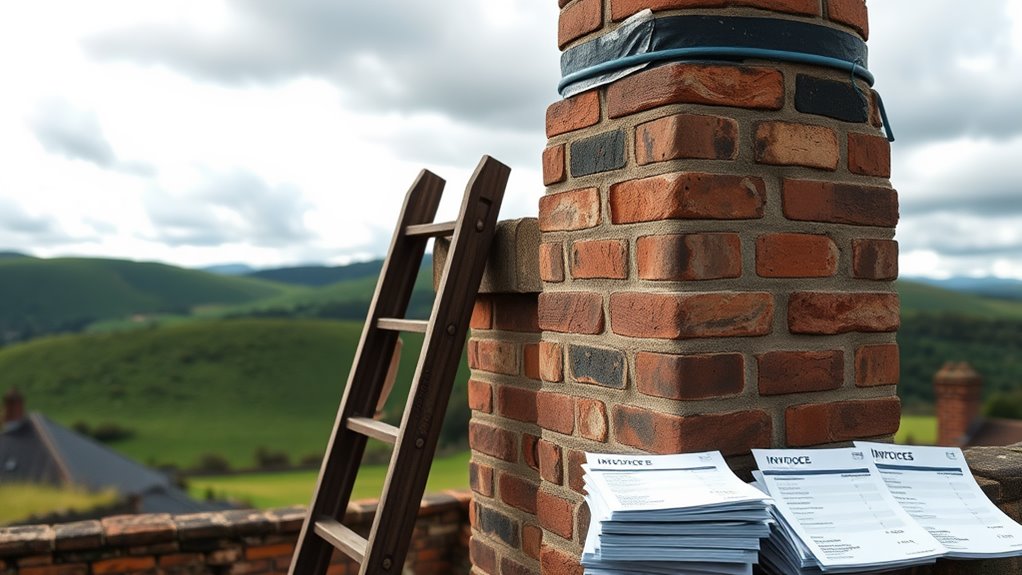
When you're considering how much a chimney sweep costs in the UK, you'll find that prices generally range from £60 to £120, depending on various factors. Your home's location, the type of chimney, and even its condition can all affect the final bill. It's important to understand these variables to avoid unexpected expenses. Plus, regular maintenance can play a vital role in keeping costs down. So, what should you know about finding a qualified professional and ensuring you get the best value for your money?
Average Cost Range
When it comes to chimney sweep costs in the UK, you'll find a range that varies depending on several factors, including the type of chimney and the complexity of the job.
Generally, average pricing for a standard chimney sweep service falls between £60 and £90, according to MyBuilder. For more complex jobs, you might pay between £100 and £120. If you have a gas fireplace, expect a similar cost of £60 to £90.
Service comparisons reveal some variations as well. Airtasker lists a median chimney sweep cost of around £105, with open fire chimneys ranging from £50 to £100.
Meanwhile, unlined stove chimneys can set you back between £90 and £160. For those with multiple chimneys, Homebuilding suggests an approximate cost of £40 per additional chimney.
If you haven't cleaned your chimney in a while, be prepared for higher costs due to built-up soot and potential repair needs, as prices vary based on region and job complexity.
Factors Influencing Pricing
Several factors can influence the cost of chimney sweeping in the UK, making it vital to evaluate your specific situation.
First, your location plays a significant role. If you live in London or another urban area, you might pay £30-£50 more than those in rural regions.
The condition and age of your chimney also matter; longer intervals since the last sweep can lead to more extensive cleaning, increasing costs. Plus, hidden issues may require additional repairs. Regular sweeping frequency is essential to avoid increased charges due to neglect.
Accessibility is another key factor. If your chimney is hard to reach, you may face higher costs due to the need for specialized equipment and extra labor time. This is especially true for complex structures like inglenooks.
Lastly, consider any additional services you might require. Removing obstructions, installing carbon monoxide alarms, or conducting CCTV inspections can all add to your final bill.
Understanding these factors helps you align your customer expectations with the pricing strategies of local professionals. By being informed, you can avoid surprises and guarantee you're getting the best value for your chimney sweeping needs.
Costs by Chimney Type
Understanding the costs associated with chimney sweeping can help you make informed decisions based on the type of chimney you have. Different chimney types require varying cleaning methods, which can impact the overall cost of the service. Regular inspections are crucial for maintaining fire safety and ensuring your chimney operates efficiently.
Here's a breakdown of average costs by chimney type:
| Chimney Type | Average Cost (£) | Cleaning Method |
|---|---|---|
| Gas Fireplaces | £60 – £90 | Basic cleaning |
| Wood-Burning Fireplaces | £80 – £100 | Labor-intensive |
| Pellet Stoves | £80 – £120 | Unique residue removal |
| Wood Stoves | £80 – £120 | Thorough cleaning |
| General Costs | Varies | Based on design |
For gas fireplaces, you can expect to pay between £60 to £90. Wood-burning fireplaces and stoves generally fall between £80 to £100 or £120, mainly due to the soot buildup requiring more intensive cleaning. Pellet stoves, with their unique designs, can also lead to higher costs. By knowing these prices and cleaning methods, you can better budget for routine maintenance and guarantee your chimney remains safe and efficient.
Additional Expenses
Chimney sweeping isn't just about the standard cleaning fees; you'll want to contemplate additional expenses that can arise during the process.
If you discover a bird or animal nest in your chimney, expect to pay between £100 and £250 for rescue and removal. Removing a nest and sweeping the chimney can cost around £90, plus £35 for each additional chimney.
Repairs and material replacement can also increase your costs considerably. If your chimney is complex or hasn't been maintained in a while, repair fees can escalate quickly.
Keep in mind that special tools and further inspections may be necessary, adding to your total.
Labour costs vary too. For a standard open-fire chimney sweep, you're looking at £40-£70, while unlined chimneys can cost up to £150.
If your chimney has substantial blockages or hasn't been cleaned in a long time, expect higher charges.
Lastly, if you require additional services like fitting a bird guard or cowl, be prepared for extra charges.
Don't forget to ask about emergency fees, as urgent situations can lead to a considerable price increase.
Regional Price Differences
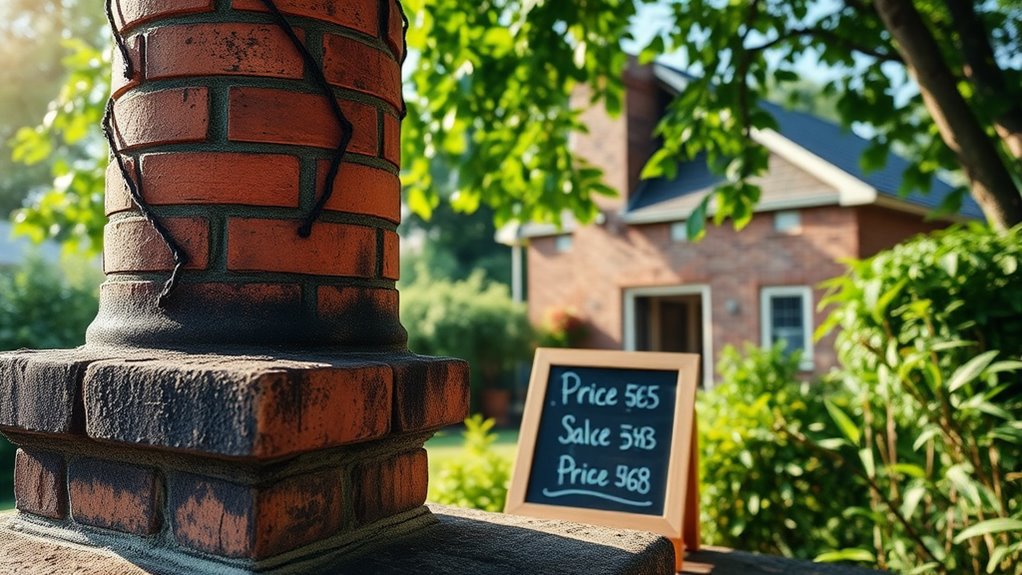
When it comes to chimney sweeping, regional price differences can catch you off guard. If you're in London, expect to pay between £80 to £160 for standard and complex sweeps. The urban pricing here is higher due to operational costs like congestion charges and delays.
In contrast, other UK regions typically range from £60 to £120 for similar services.
Rural pricing can also surprise you. Although you might find some sweepers charging between £60 to £150 in rural areas, the added transport and time costs can make services pricier than anticipated. Factors like chimney height, accessibility, and the type of stove you have can further influence costs. For instance, wood-burning and pellet stoves usually demand more effort and materials to clean.
It's crucial to research local rates, as prices can vary greatly based on location. Northern regions may offer lower prices compared to their southern counterparts, but understanding your specific area's pricing will guarantee you get the best value for your chimney sweeping needs.
Always gather quotes and compare to find the right service at the right price for your chimney.
Time and Labor Requirements
For a typical chimney sweep, expect the process to take between 1 to 2 hours, depending on various factors. The type and condition of your chimney play significant roles in this timeframe.
For instance, lined stove chimneys often take longer to clean compared to open fire chimneys. If your chimney has seen less frequent cleanings, it may accumulate more buildup, extending the time needed.
Labor efficiency also comes into play. A skilled sweep uses effective sweeping techniques to minimize time while ensuring a thorough clean.
However, larger chimneys or those that are difficult to access may require additional labor, especially if there are obstructions like bird nests. In peak season, sweeps can tackle between 6 to 12 chimneys a day, showcasing their ability to manage time efficiently.
If you opt for extra services, like removing obstructions, be prepared for longer service times.
Ultimately, understanding these time and labor requirements can help you plan accordingly, ensuring a smooth experience when hiring a chimney sweep.
Importance of Regular Sweeping
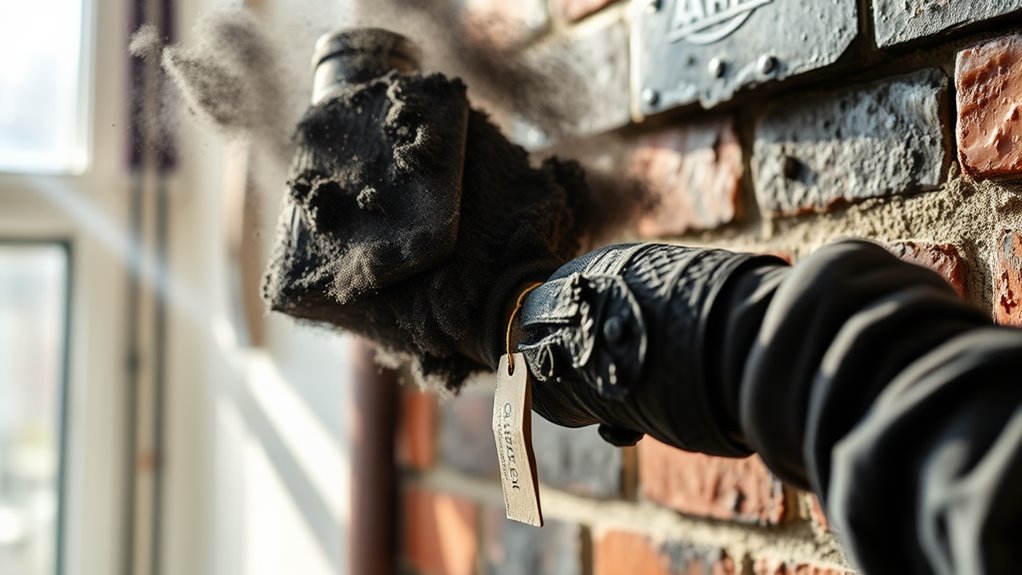
Regular chimney sweeping is vital for maintaining both safety and efficiency in your home. By scheduling regular sweeps, you greatly reduce fire hazards that can arise from creosote buildup, which is highly flammable. A clogged chimney can lead to devastating fires, spreading quickly and putting your home and loved ones at risk.
Moreover, a blocked chimney can trap harmful gases like carbon monoxide, creating a dangerous environment. Regular sweeping guarantees that your chimney is clear and properly vented, helping to prevent carbon monoxide poisoning. It's essential for your family's health and safety to keep these gases flowing outside, rather than letting them linger indoors.
Not only does regular chimney maintenance enhance safety, but it also improves efficiency. A clean chimney allows for peak airflow, making your fireplace burn better and reducing fuel costs. Following the guidelines set by HETAS recommendations ensures that you maintain proper chimney care.
By keeping your chimney in top shape, you can save money on energy bills while extending the lifespan of your chimney, preventing costly repairs down the line.
In short, regular chimney sweeping is a practical investment in both safety and efficiency, making it a necessity for every homeowner.
Finding a Qualified Sweep
Keeping your chimney clean is just the first step; finding a qualified sweep is equally important. When you're looking for someone to do the job, certification is vital. You should seek out sweeps certified by reputable bodies like HETAS or NACS. These organizations guarantee that sweeps have undergone proper training and adhere to industry standards.
Additionally, a sweep with an NVQ Level 2 in Chimney Engineering demonstrates a solid understanding of safety practices and chimney types.
While you're evaluating qualifications, check if the sweep has public liability insurance and the necessary equipment. This not only protects you but also indicates professionalism. It's wise to ask for detailed estimates and transparent pricing to avoid any surprises later.
Experience matters too; inquire about their familiarity with different chimney types.
Finally, make certain your chosen sweep provides a certificate of completion, such as the NACS Certificate of Chimney Sweeping. This not only confirms the work was done correctly but also adds to your peace of mind.
Tips for Cost Savings
Cost savings can make a significant difference when it comes to chimney sweep services. One of the best ways to keep costs down is by maintaining a regular sweeping frequency. By scheduling routine sweeps, you can prevent heavy buildup, which can lead to more expensive cleanings down the line.
Another smart tip is service bundling. If you have multiple chimneys, consider having them swept at the same time. Many sweeps offer discounts for bundling services, making it more economical than booking each chimney separately.
Choosing a local sweep can also save you money; they might charge less than larger companies that operate from a distance.
Don't forget to inquire about seasonal rates—scheduling your sweep during off-peak times may also yield better pricing.
Lastly, always ask about discounts. Many sweeps offer promotions for first-time clients or loyalty discounts for returning customers.
Understanding Quotes and Estimates
When you're looking to hire a chimney sweep, understanding quotes and estimates can save you both time and money. Different factors influence the pricing, such as your location, the size and height of your chimney, and the type of fireplace or stove you have.
For instance, sweeping techniques for wood-burning fireplaces typically cost more than those for gas models. Standard chimney sweeping services usually range from £60 to £90, while complex jobs can hit £100 to £120.
If your chimney hasn't been cleaned in a while or has obstructions like animal nests, expect additional costs. To guarantee pricing transparency, get multiple quotes from different sweeps, and provide detailed information about your chimney's specifics.
Understanding what's included in the estimate is essential. Some prices may not cover extra services like inspections or repairs, which could inflate your final bill.
Always ask about potential additional costs related to accessibility issues or other complications. With this knowledge, you can make informed decisions and avoid unexpected charges, making sure your chimney is cleaned efficiently without breaking the bank.
Frequently Asked Questions
How Often Should I Have My Chimney Swept?
You should have your chimney swept annually for ideal safety and efficiency. Regular chimney maintenance is an essential safety precaution that prevents hazards like creosote buildup and guarantees your home remains safe and efficient year-round.
What Signs Indicate My Chimney Needs Cleaning?
Like a shadow creeping in, a smoke odor signals your chimney's crying for attention. Look for creosote buildup, black spots, or difficulty starting fires. If you notice these, it's time for a cleaning!
Can I Clean My Chimney Myself?
You can clean your chimney yourself, but be mindful of safety concerns. Make certain you have the right tools, wear protective gear, and inspect thoroughly before starting. Prioritize safety to avoid potential hazards during your DIY chimney cleaning.
What Qualifications Should a Chimney Sweep Have?
Choosing a chimney sweep's qualifications is like selecting a skilled artisan. Certifications, such as NACS or HETAS membership, guarantee safety and expertise. Look for solid training; it's essential for your peace of mind and chimney's health.
Are There Any Warranties for Chimney Sweeping Services?
Yes, warranty coverage often depends on regular maintenance. To keep service guarantees intact, you should schedule annual sweeps. Local professionals can provide the inspections necessary to guarantee your chimney and woodburner remain safe and compliant.
Conclusion
In the world of home maintenance, keeping your chimney clean is like polishing a diamond—it enhances your home's safety and efficiency. By understanding the costs and factors influencing chimney sweeping, you can make informed decisions that suit your budget. Regular maintenance not only saves you money in the long run but also prevents hazardous situations. So, take the plunge and schedule a sweep; your home will thank you for it!

Multi fuel stoves are an upcoming trend and the main reason as to why people are switching over to them Read more

As their name suggests, multi fuel stoves allow owners to burn a variety of fuels. They allow the use of Read more

A wood burning stove or multi-fuel stove can be part of a central heating system to keep your house warm Read more