
Multi-fuel stoves, capable of burning wood, coal, and pellets, are not being phased out entirely, but they are undergoing significant changes due to new environmental regulations. These stoves must now adhere to stringent low-emission standards, and their popularity is declining in urban areas where electric stoves are favored for their efficiency and low emissions. However, in rural regions, the use of biomass stoves is on the rise, employing renewable resources like agricultural waste. This shift reflects a broader trend towards more sustainable and energy-efficient heating solutions. Understanding these changes could guide your decisions towards more eco-friendly and efficient heating options for your home.
Understanding Multi-Fuel Stoves
Multi-fuel stoves, which can burn a variety of materials including wood, coal, and pellets, offer a versatile heating solution. You'll find that these stoves are designed to enhance the utility of different fuel types, allowing you to switch based on availability and cost. Their adaptability doesn't just end at fuel flexibility; it extends to efficiency ratings that can greatly influence your heating expenses and performance.
When you assess multi-fuel stoves, it's important to take into account the efficiency ratings. These ratings indicate how effectively a stove converts fuel into heat. Typically, higher efficiency ratings mean more heat is produced per unit of fuel, resulting in lower running costs and less waste. For instance, stoves that boast an A+ rating can achieve efficiencies of over 80%, meaning that 80% of the energy in the fuel becomes useful heat.
It's vital to examine the specifications of each stove model to guarantee you're choosing one that aligns with your heating needs and budget. The efficiency can vary depending on the type of fuel used; for example, pellets often burn more efficiently than coal. Thus, understanding the specific efficiency ratings for different fuels in your chosen stove is key to enhancing both performance and cost-effectiveness.
Environmental Impact and Regulations
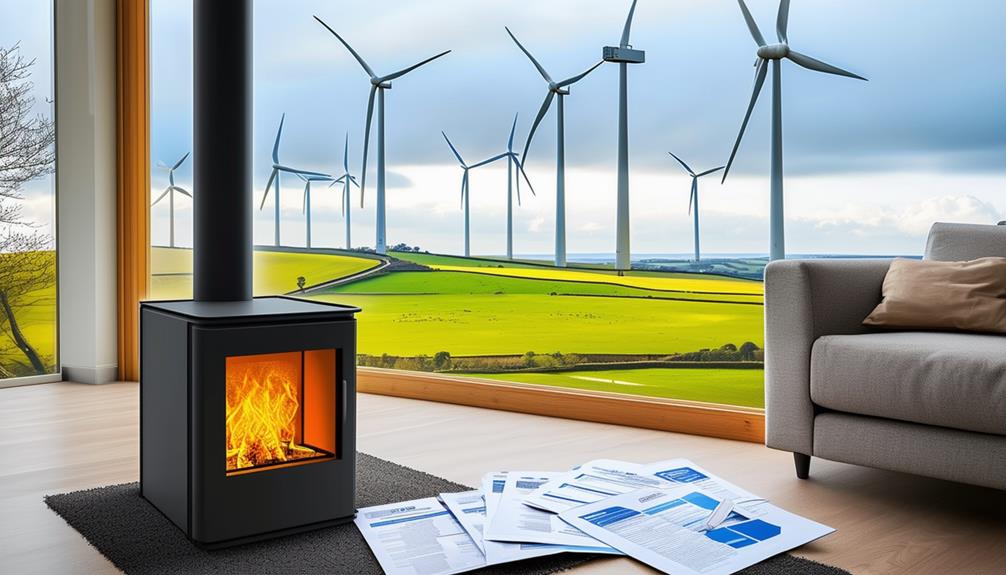
You should consider the environmental regulations that impact the use of multi-fuel stoves, as these can greatly affect their sustainability and legality. These regulations often focus on reducing air pollution and promoting the use of renewable resources. With rising concerns about air quality and climate change, governments are setting stricter emission standards.
Here's what you need to know about the regulations:
- Emission Standards: Recent regulations demand lower emissions from burning fuels. Multi-fuel stoves must comply with these standards to remain marketable and legally operable.
- Renewable Resources: Using fuels from renewable resources can mitigate some regulatory impacts. Biomass pellets, for example, are considered a low-emission, renewable option.
- Local Laws: Depending on your location, local laws may impose additional restrictions or requirements on the use of multi-fuel stoves to protect local air quality.
These regulations not only influence the legal use of multi-fuel stoves but also guide manufacturers towards more sustainable practices. By adhering to these guidelines, you're contributing to a greener environment while ensuring your stove remains a viable heating solution amidst tightening environmental controls.
Technological Advancements in Heating
While regulations shape the landscape of traditional heating methods, technological advancements are redefining what's possible in home heating efficiency and environmental compatibility. Smart heating systems, employing IoT technology, allow you to control your home's temperature from your smartphone. These systems analyze your usage patterns to enhance heating schedules, reducing energy consumption and costs.
Renewable energy sources, such as solar and geothermal, are becoming integral to modern heating solutions. They not only lessen your carbon footprint but also improve long-term sustainability. By integrating these technologies, you're not just adapting to a new era of heating but also participating in a global shift towards greener energy practices.
Here's a brief overview of how these technologies compare:
| Technology | Key Benefit |
|---|---|
| Smart Heating | Reduces energy use through efficient management |
| Solar Heating | Harnesses abundant solar energy to heat homes |
| Geothermal Heating | Provides consistent heating using earth's heat |
These advancements represent a significant shift from conventional methods, offering you more control over your environmental impact and energy bills. As you consider upgrading your home heating system, weigh these options against traditional methods to choose what best fits your needs and values.
Global Trends in Stove Usage
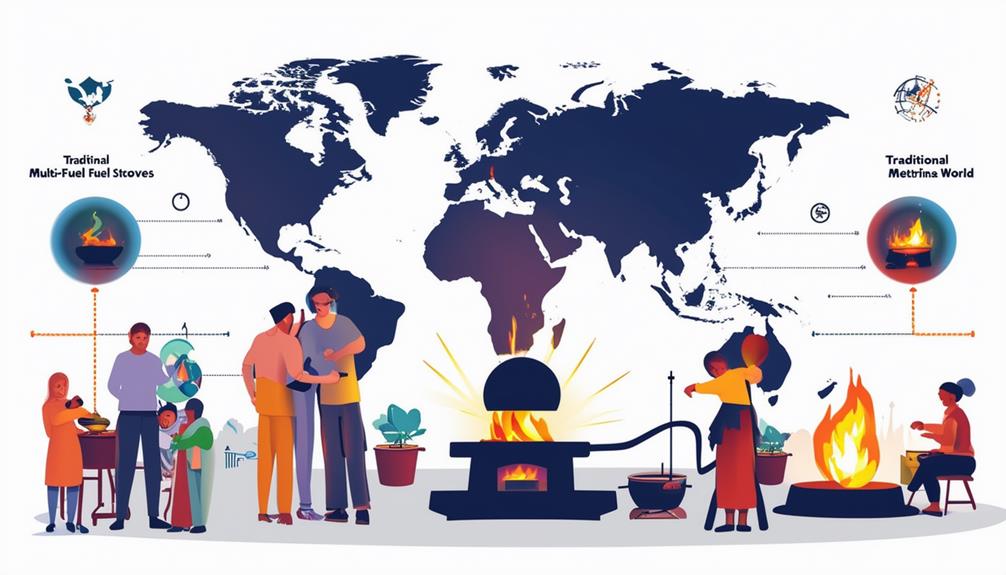
Recent data indicate a shift in global stove usage trends, driven by environmental concerns and technological innovations. You're seeing a transformation in stove preferences that reflects a broader push towards sustainability and efficiency. This shift isn't just about choosing a different type of stove; it's about rethinking what fuels we use and how we employ them.
Increased Adoption of Electric Stoves: In urban areas, there's a significant move towards electric stoves due to their efficiency and lower emissions compared to traditional fuel stoves.
Growth in Biomass Stove Use: Rural regions are witnessing a rise in the use of biomass stoves that make use of agricultural waste, contributing to a circular economy and reducing waste.
Decline in Traditional Coal Stoves: With stringent environmental regulations, the use of coal stoves has seen a steep decline, as they're major contributors to air pollution.
Variability in Gas Stove Popularity: Depending on regional fuel availability and prices, gas stove usage fluctuates, showcasing the impact of fuel diversity on stove choices.
These trends reveal a complex landscape where environmental policies, fuel availability, and technological advancements play significant roles. As you consider these dynamics, it's clear that understanding regional specifics is key to grasping global shifts in stove usage.
The Future of Home Heating

As environmental policies evolve, home heating technologies are increasingly prioritizing sustainability and energy efficiency.
You're witnessing a notable shift towards systems that harness renewable energy, aiming to reduce the carbon footprint of residential heating. This transformation is driven by both technological advancements and stringent regulatory frameworks that favor low-emission solutions.
Statistical data indicates that homes employing renewable energy sources for heating have seen an average reduction in energy consumption by up to 30%. This trend underscores the growing effectiveness and adoption of technologies like solar thermal panels, geothermal heat pumps, and biomass heating systems. These technologies not only promise reduced greenhouse gas emissions but also offer long-term savings on energy bills.
Moreover, the integration of smart technology into home heating systems enhances energy efficiency. Smart thermostats and AI-driven energy management systems allow you to enhance heating schedules and reduce wastage. The data shows that homes equipped with these technologies achieve an additional 10% savings on energy usage.
In your role as a consumer, understanding these trends is essential. Opting for systems that leverage renewable sources and incorporate energy-efficient technologies can greatly impact both the environment and your finances. As the landscape of home heating evolves, staying informed will help you make decisions that align with both eco-conscious values and economic considerations.
Adaptation Strategies for Manufacturers

Manufacturers must pivot quickly to adapt to the shifting demands of the market, focusing on sustainable and energy-efficient production processes. As you navigate these changes, it's essential to implement strategies that not only comply with new regulations but also anticipate future market needs. Here's how you can stay ahead:
- Invest in R&D for Eco-Friendly Materials: Prioritize research and development to discover and employ materials that reduce environmental impact. This not only meets regulatory standards but also appeals to the growing segment of eco-conscious consumers.
- Enhance Energy Efficiency: Develop technologies that improve the energy efficiency of your stoves. This reduces the carbon footprint and can greatly lower operating costs for users.
- Explore Market Diversification Strategies: Don't put all your eggs in one basket. Diversify your product offerings to include electric and hybrid models that can appeal to a broader audience.
Incorporating these adaptations requires a keen understanding of both technological innovations and consumer trends.

Multi fuel stoves are an upcoming trend and the main reason as to why people are switching over to them Read more

As their name suggests, multi fuel stoves allow owners to burn a variety of fuels. They allow the use of Read more

A wood burning stove or multi-fuel stove can be part of a central heating system to keep your house warm Read more