
If you don’t secure a HETAS certificate for your heating systems, you’re risking serious legal and financial consequences. Authorities may impose hefty fines or pursue legal action against you due to non-compliance with essential safety regulations, which prevent hazards like fires and carbon monoxide poisoning. Additionally, your home insurance might no longer be valid, complicating any claims you need to make following an incident. Financial shortfalls could extend to increased premiums or outright claim rejections. Over time, these issues can diminish your property’s value and desirability in the market. More insights await you on how to manage and mitigate these risks effectively.
Legal Consequences Explored
Failing to obtain a HETAS certificate can lead to considerable legal repercussions, including fines and potential prosecution. As you explore the installation or replacement of heating appliances, it’s imperative you’re aware of the critical role that compliance plays. Not only does adherence safeguard you from legal fines, which can escalate quickly, but it also guarantees that your property value isn’t adversely affected.
Without this certification, your actions may be deemed non-compliant with safety regulations, which are strictly enforced to prevent hazards such as fires or carbon monoxide poisoning. Authorities take these violations seriously, and the penalties reflect this stance. You’re not just risking a slap on the wrist; you’re facing severe financial penalties that can impact your economic stability.
Moreover, the absence of a HETAS certificate could greatly detract from your property’s market appeal and value. Potential buyers are often reluctant to invest in properties that carry unresolved compliance issues, as these can denote a lack of maintenance or foresight.
Confirming your heating systems are certified not only enhances safety but also boosts your property’s desirability and worth in the competitive real estate market. Always remember, staying compliant is less costly than rectifying oversights.
Impact on Insurance Validity
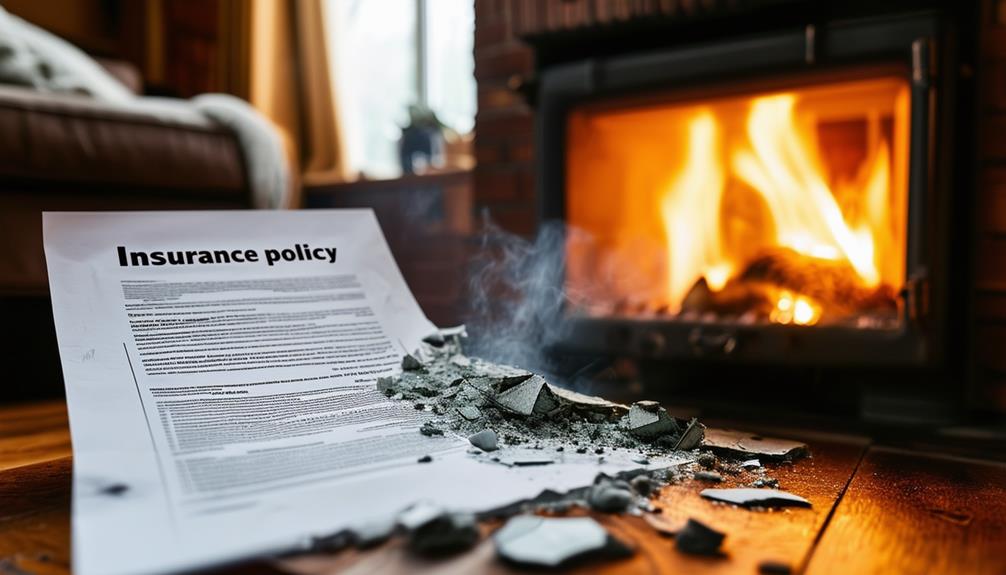
Lacking a HETAS certificate can also invalidate your home insurance policy, exposing you to considerable financial risk in the event of an accident. When you install a heating appliance without this certification, you mightn’t only be breaking local safety regulations but also impacting your insurance coverage in essential ways.
Here’s how:
- Voided Policy: Many insurance companies require compliance with all local laws as a condition of coverage. Without a HETAS certificate, you’re likely breaching this condition, leading to potential voidance of your policy.
- Claim Rejection: If an accident occurs linked to an uncertified appliance, insurers may reject any claims related to the incident. This leaves you fully liable for any damages or losses incurred.
- Increased Premiums: Even if your insurer doesn’t immediately drop your coverage, they might increase your premiums considerably due to the perceived increase in risk associated with uncertified installations.
- Dispute and Delays: Claim disputes can arise, leading to lengthy and frustrating delays in resolving claims. This not only stresses your financial resources but can also extend your period of discomfort or inconvenience.
Understanding these implications is essential to maintaining your financial security and ensuring that you remain fully protected under your home insurance policy.
Safety Risks Uncovered
Beyond financial implications, uncertified heating appliance installation greatly increases your safety risks. When you bypass a HETAS certificate, you’re not just skirting regulations; you’re potentially inviting serious fire hazards into your home. Certified installations adhere to stringent safety standards designed to lessen risks of fire, ensuring that flue and ventilation systems are correctly installed and functional. Without this certification, you’re operating in the dark about the safety of these critical components.
Moreover, the health risks associated with uncertified installations can’t be understated. Improperly installed appliances may lead to incomplete combustion, producing excessive carbon monoxide—a colourless, odourless gas that can be deadly. Certified professionals are trained to optimise combustion efficiency, greatly reducing the risk of carbon monoxide poisoning.
It’s essential you recognize that cutting corners with your heating system not only jeopardises your safety but also that of your family and community members. You’re shouldering a heavy responsibility; ensuring the safety of your installation isn’t just about compliance, it’s about safeguarding lives.
Don’t underestimate the importance of a HETAS certificate—it’s a critical safeguard that supports your well-being and peace of mind in your home.
Selling Your Home Complications

If you plan to sell your home, lacking a HETAS certificate can greatly complicate the process. This certification, verifying the safe and compliant installation of heating appliances, is essential in the UK. Without it, you may face several hurdles that can influence both buyer negotiations and the overall property value.
Here are some potential complications:
- Reduced Buyer Interest: Prospective buyers often seek homes that are fully compliant with safety regulations. A missing HETAS certificate could deter them, reducing the pool of interested parties.
- Lower Offers: Buyers aware of the certificate’s absence might perceive the property as a risk or anticipate additional costs. This can lead them to make lower offers, directly impacting your potential sale price.
- Extended Sale Process: The need to resolve certification issues can delay the selling process. Buyers might request that the certificate be obtained before proceeding, leading to longer sale times and increased holding costs.
- Complicated Negotiations: The absence of a HETAS certificate can become a focal point in sale discussions, complicating negotiations. Buyers might use it as leverage to negotiate not just a lower price, but also contingencies that favour them.
Navigating these issues requires careful planning and potentially rectifying the certification shortfall before listing your property.
Installation Non-Compliance Issues
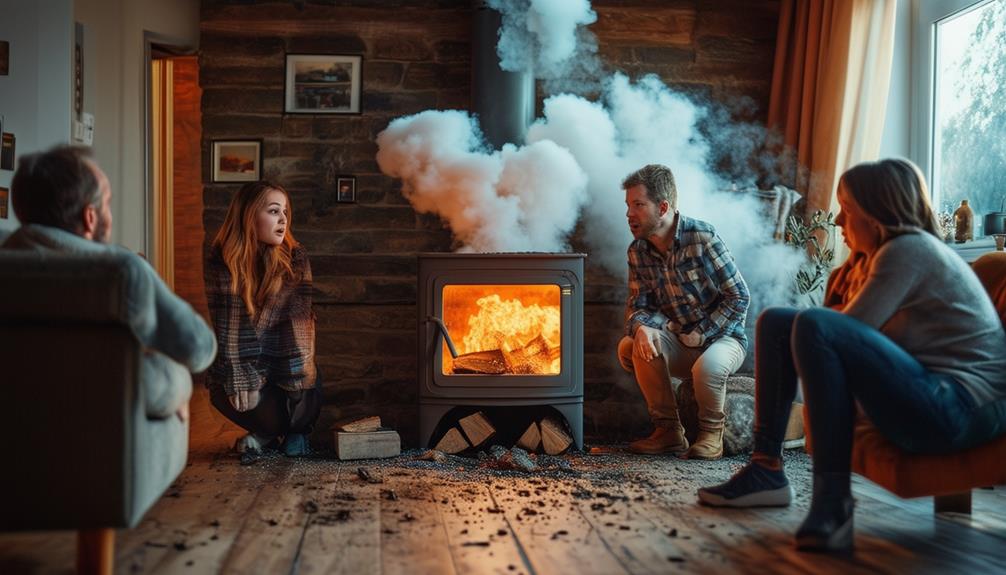
When your heating system installation doesn’t comply with HETAS standards, you’re at risk of facing significant legal and safety issues. Compliance with HETAS installation guidelines isn’t just a formality; it’s an essential step in guaranteeing that your heating system operates safely and efficiently. Non-compliance can expose you to the risks of carbon monoxide poisoning, fires, and other hazardous scenarios.
Confirming your installation adheres to these standards involves routine compliance checks. These checks aren’t merely bureaucratic hurdles; they’re thorough assessments designed to safeguard your home and wellbeing. If an installation is found lacking, the consequences extend beyond immediate safety concerns. Non-compliance can also lead to complications with insurance claims, as many providers require proof of adherence to safety standards before they cover damage related to heating systems.
It’s critical to work with a certified professional who understands the intricacies of HETAS requirements. This choice doesn’t just keep you in line with legal expectations; it guarantees that your heating system’s installation is handled with the utmost precision and care. Remember, cutting corners during installation can have far-reaching effects, compromising not only your safety but also the integrity of your home.
Future Financial Implications

Failing to obtain a HETAS certificate can lead to considerable future financial burdens. Without this certification, your installation mightn’t only be unsafe but could also impact your finances negatively in several ways. Here’s how:
- Increased Insurance Costs: Without a certificate, insurance companies consider your property a higher risk. This perception can notably increase your premiums, adding an ongoing cost that could have been avoided.
- Financial Penalties for Non-Compliance: You might face financial penalties if your installation is found to be non-compliant with local safety standards. These fines can be hefty and unexpected, straining your financial resources.
- Reduced Property Value: Buyers often look for homes that meet all legal requirements. Lack of a HETAS certificate can lead to a decrease in property value, making it harder to sell your home and potentially reducing your return on investment.
- Investment Risks: Future repairs or modifications might require retrospective compliance, which can be costlier than meeting standards initially. You’d also risk additional investment if regulations change, necessitating further modifications to maintain compliance.
Understanding these risks and ensuring you obtain a HETAS certificate can save you from these unnecessary financial strains. Always consider the long-term implications of your choices on your financial stability.

Multi fuel stoves are an upcoming trend and the main reason as to why people are switching over to them Read more

As their name suggests, multi fuel stoves allow owners to burn a variety of fuels. They allow the use of Read more

A wood burning stove or multi-fuel stove can be part of a central heating system to keep your house warm Read more